Written drying log
Daily moisture readings and photos for your records.
Appliance Leak Water Damage Cleanup Pensacola FL starts with stopping the water and pulling the moisture out before it reaches your subfloor. A failed washing machine supply hose or a leaking dishwasher gasket can push 8 to 10 gallons a minute into your kitchen or laundry room. We handle appliance leak repair in Pensacola and dry the structure in the same visit, so mold never gets a foothold in your Escambia County home.
Every appliance leak job starts with the same core scope: stop the water, extract it, dry the structure and treat what got wet. What changes is how much material has to come out and how long the drying runs. Here is what is covered on a standard Pensacola appliance leak call.

We handle appliance leaks in houses, condos and rentals across Pensacola. You get the water extracted, the wet material removed and the structure dried before mold growth starts.
We work in break rooms, commercial laundries and rental units where an appliance leak puts operations at risk. You get fast extraction and drying so the space is usable again quickly.
Appliance Leak Water Damage Cleanup Pensacola FL is the process of stopping an appliance water leak, extracting the standing water, and drying the building materials it soaked through. Washing machines, dishwashers, refrigerators with ice makers and water heaters all fail the same way: a cracked supply line, a worn inlet valve, or a gasket that lets go overnight. Water travels under vinyl plank, soaks carpet padding, and wicks up drywall 12 to 18 inches before you notice a stain. We use a moisture meter and a thermal imaging camera to map the wet footprint, then a water extraction unit to pull the bulk of it out.
Pensacola homes sit in a humid Gulf Coast climate where indoor humidity already runs 60 to 75 percent most of the year. Add a slow appliance leak and you have ideal conditions for mold growth in 24 to 48 hours. That is why we treat every washing machine leak water damage Pensacola Florida call as urgent, whether it is a Saturday night or a holiday week. Our technicians carry a borescope camera to check inside wall cavities and a hygrometer to confirm the drying target before we pack up. If you search for appliance leak water damage cleanup Pensacola FL near me, we are the crew that shows up with the truck already loaded.
Stop the water, pull it out, dry the structure, treat what got wet.
Every job follows the same five steps, from the first phone call to the final moisture reading. Here is exactly what you can expect when we pull into your driveway.
We shut off the supply valve or the appliance's water line first, then confirm the leak source with a borescope camera if it is hidden behind a cabinet or under a dishwasher. You get a straight answer on what failed and whether the appliance needs a repair or a replacement part. This step takes 10 to 20 minutes.
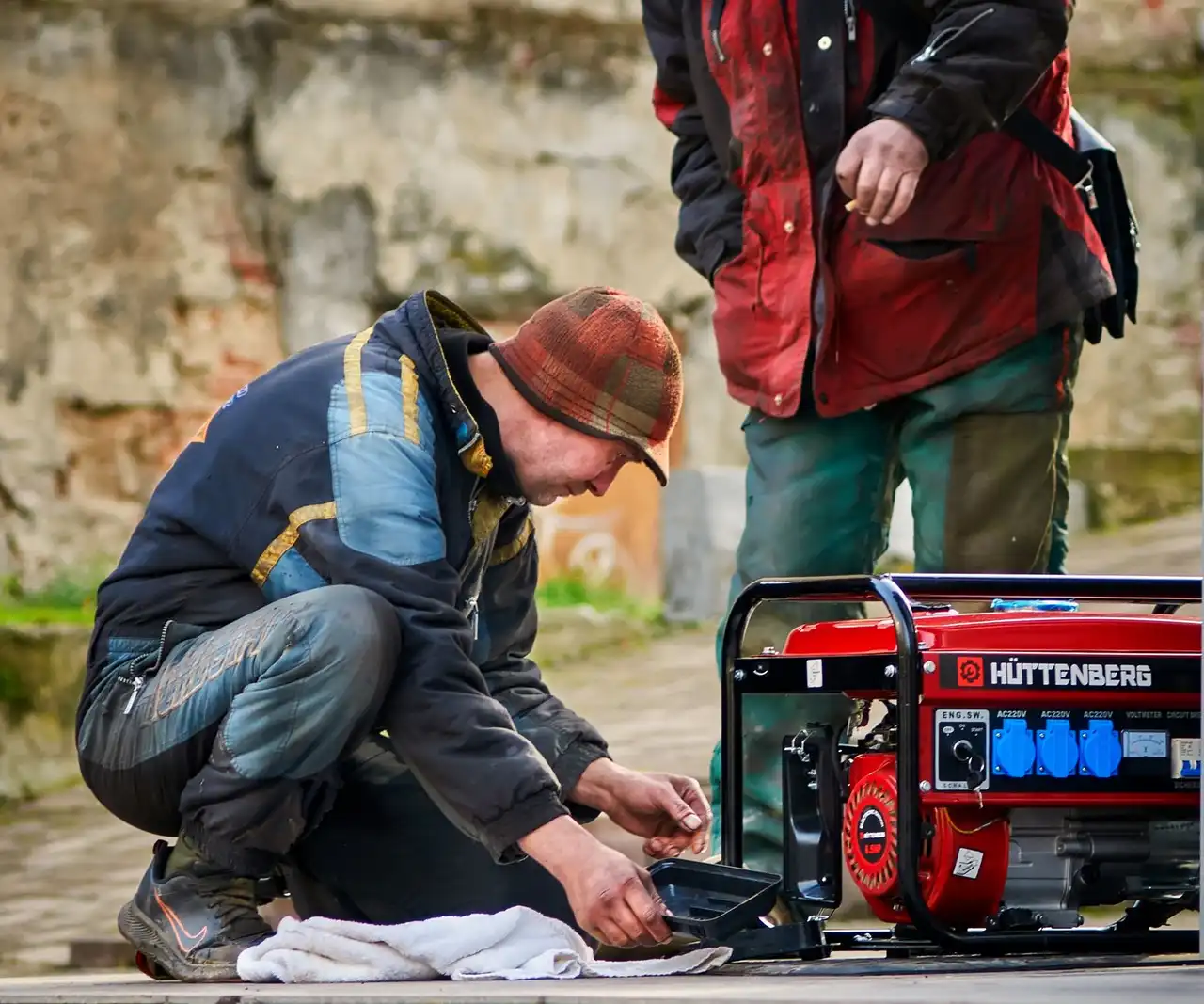
A moisture meter and thermal imaging camera show us how far the water traveled under flooring and up walls. We mark the wet zone with tape so you can see it too. On a typical Pensacola laundry room leak, the wet footprint runs 40 to 80 square feet beyond the appliance itself.
The water extraction unit pulls standing water from the floor, then we remove saturated carpet padding, baseboards and any drywall that has gone soft. We bag the debris and haul it out the same day. Most extractions take one to two hours depending on how long the leak ran.
We set air movers and a Phoenix Restoration Equipment dehumidifier to dry the framing, subfloor and wall cavities. An antimicrobial solution goes on every wet surface we exposed. You will hear the equipment running for two to four days, and we check readings daily.

We take final hygrometer readings and compare them to our dry standard, then remove the equipment and walk you through the results. You get a written drying log and photos for your records. If any material still reads wet, we leave the equipment and come back the next day at no extra charge.
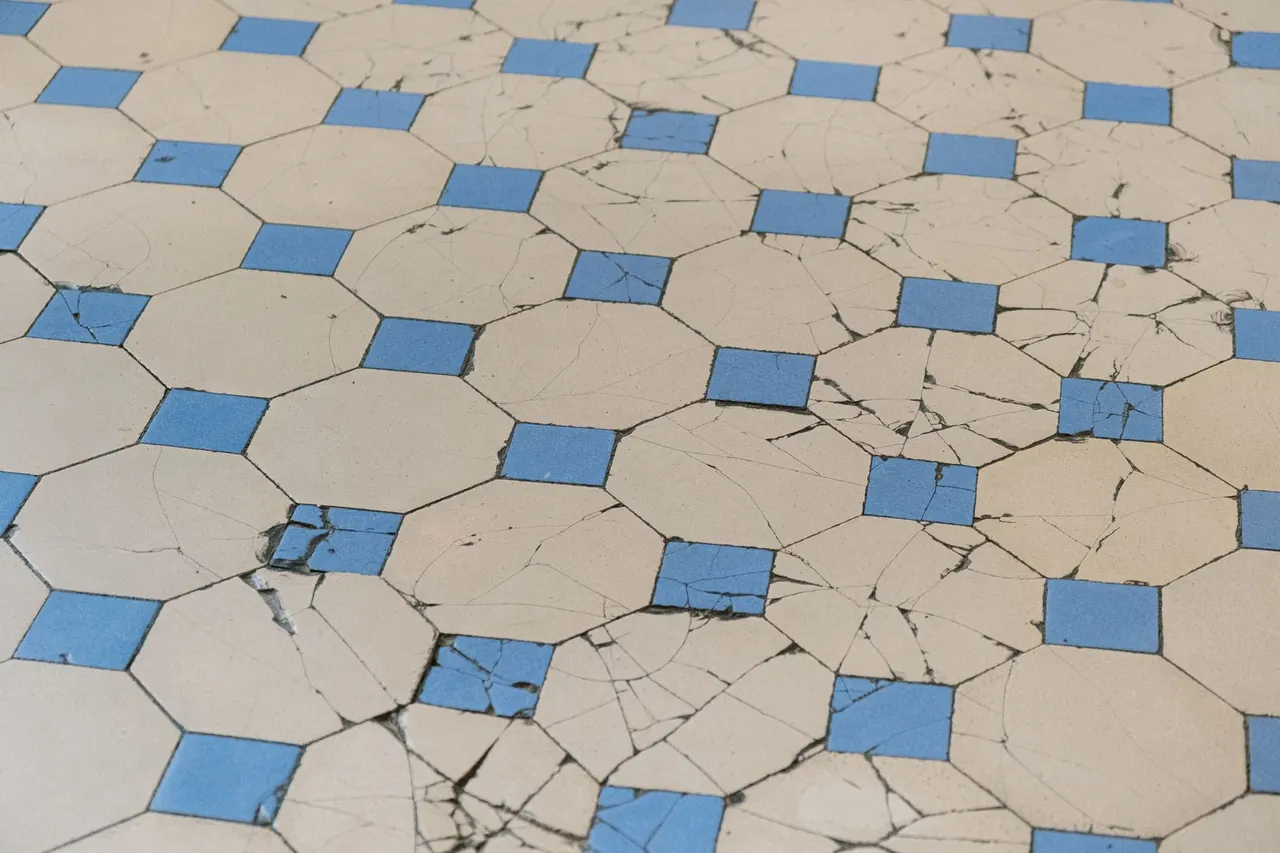
Reads moisture content in drywall, subfloor and framing so we know exactly how far the water traveled and when the structure is dry.
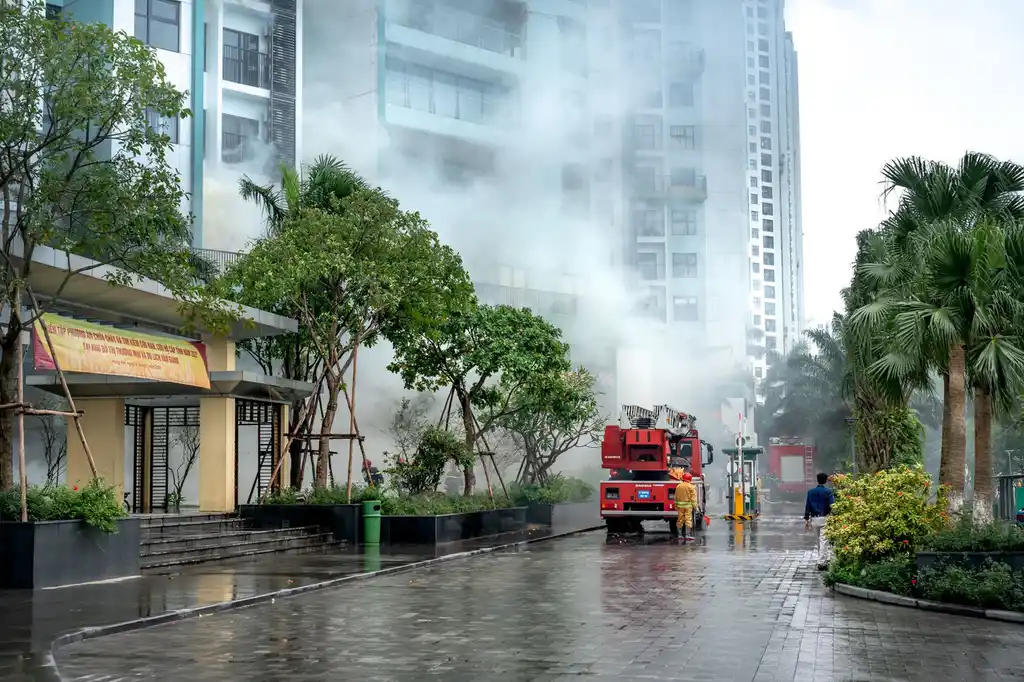
Shows temperature differences behind walls and under floors, which reveals hidden water paths a visual inspection would miss.
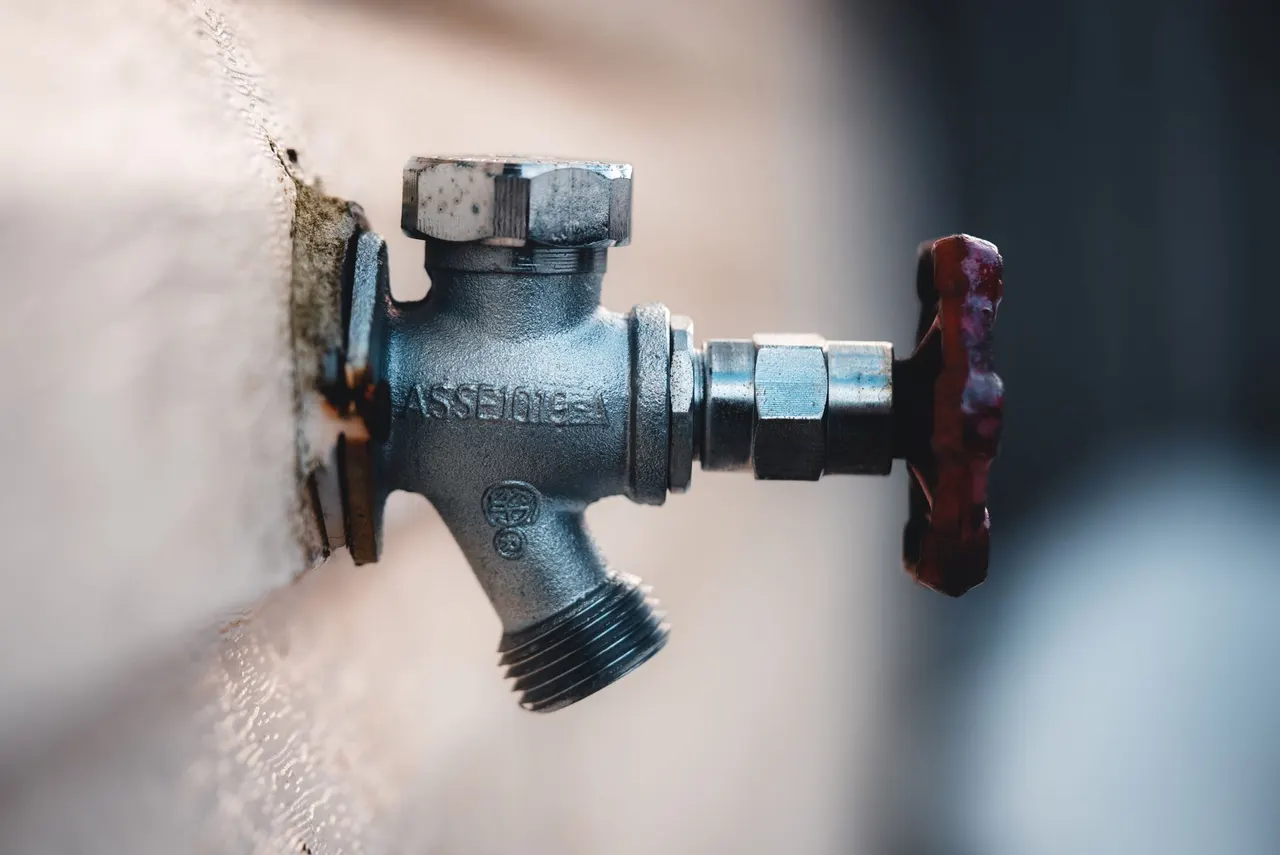
Pulls standing water from flooring and carpet at high volume, removing 15 to 25 gallons in the first hour on a typical job.
Move air across wet surfaces to speed evaporation from subfloors, baseboards and wall cavities during the drying phase.
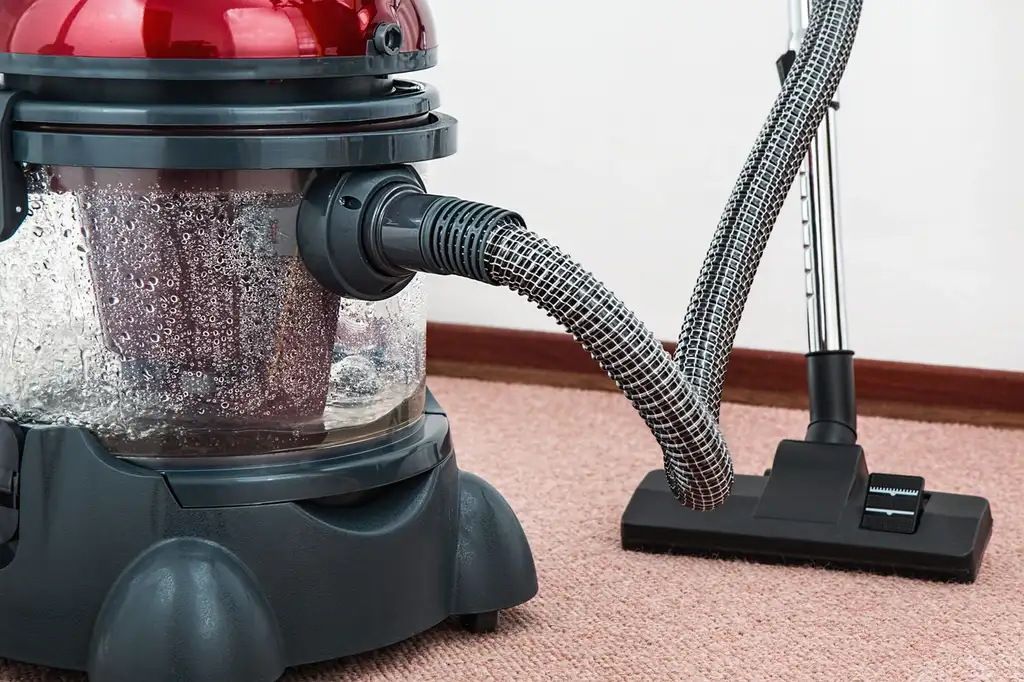
Pulls moisture out of the air so wet materials can release water instead of reabsorbing it from Pensacola's humid air.
Lets us see behind cabinets and inside wall cavities to confirm the leak source without tearing out more material than needed.
Measures relative humidity and helps us calculate the drying target for the specific materials in your home.
We follow the IICRC S500 water damage restoration standard for moisture targets, drying calculations and documentation. It is the same benchmark insurance adjusters use to evaluate a claim, which keeps your file consistent from day one.
Shut the supply valve, unplug the machine if you can reach it safely, and call us. We extract the water, pull wet padding and set drying equipment the same day. The hose or valve gets replaced before we leave. Floor and subfloor dry in three to four days, and the machine is back in service without a second leak.
We open the toe kick, find the failed gasket or drain connection, and dry the cabinet base and subfloor. An antimicrobial solution goes on the wet wood to stop mold growth behind the cabinet. The cabinet base dries in place and the dishwasher runs without leaking again.
We trace the source with a thermal imaging camera, open the ceiling, and dry the joists and subfloor above. Once readings pass, we repair the drywall and match the ceiling texture. The stain stops spreading, the ceiling is repaired, and the upstairs leak is fixed at the source.
We run moisture meter readings, find the ice maker line leak, extract and dry the area, and document everything for the buyer. The repair is done before closing. A dry, documented floor and a clean inspection report so the sale moves forward.
Pensacola's humidity is the biggest factor in how we run an appliance leak job. Indoor relative humidity sits at 60 to 75 percent most of the year, which slows evaporation and gives mold growth a head start. We size the dehumidifier for that load instead of a dry-climate spec, and we treat every wet surface with an antimicrobial solution the same day. Older homes in North Hill and Seville Square often have pier-and-beam construction with crawl spaces underneath, so a first-floor washing machine leak can drain straight down and stay hidden. We check the crawl space with a borescope camera on those jobs. Newer builds in Cordova Park and Scenic Heights usually sit on slab, which means water spreads sideways under vinyl plank and reaches the hallway before you see it. If you need 24/7 appliance leak repair in Pensacola, Florida, we keep equipment loaded and ready. We also work in 32503, 32504 and 32501, and we document every job in Xactimate format for Escambia County adjusters.
A braided supply hose split at 2 a.m. and ran for six hours before the homeowner woke up. Standing water covered 220 square feet of laundry room and hallway, with saturated carpet padding and wet drywall 14 inches up the wall.
We extracted 18 gallons, removed the padding, dried the subfloor and wall cavity to 13 percent moisture content, and replaced the hose and valve. The floor was dry in three days and the carpet was reinstalled with new padding.
Replace braided supply hoses every five years and shut the valve when you leave for more than a week. A $15 hose is cheaper than a $1,400 cleanup.
A failed door gasket dripped for three weeks before the homeowner noticed the vinyl plank curling near the cabinet. The cabinet base was soft, and moisture readings showed the subfloor at 24 percent with early mold growth starting.
We opened the toe kick, extracted the trapped water, removed the soft cabinet base section, and treated the framing with an antimicrobial solution. Drying ran four days, and the cabinet base was rebuilt and reinstalled.
Wipe the dishwasher door gasket monthly and run a vinegar cycle every few months. Check under the cabinet for soft spots once a year.
A pinhole leak in the ice maker line soaked the kitchen floor and dripped into the ceiling of the unit below. The tenant reported a spreading ceiling water stain, and the kitchen subfloor read 21 percent moisture.
We traced the leak with a thermal imaging camera, extracted the water, dried the kitchen floor and the ceiling joists below, and repaired the ceiling drywall. Both units were dry in four days with no mold growth.
Inspect the ice maker line behind the refrigerator twice a year and replace any plastic line older than five years with a braided one.
Appliance leaks cause more hidden damage than almost any other water source because the water runs under flooring before you see it. These are the four problems we get called for most often around Pensacola.
We shut the supply valve, extract the standing water, pull saturated carpet padding and dry the subfloor and wall cavity with air movers and a dehumidifier. The failed hose gets replaced before we leave so it cannot happen twice. A burst hose can push 8 to 10 gallons a minute into your laundry room, soaking the subfloor, hallway carpet and the wall behind the machine before you wake up.
We open the toe kick, confirm the leak with a borescope camera, extract the water and treat the wet wood with an antimicrobial solution. The cabinet base dries in place when the damage is caught early enough. A slow dishwasher leak soaks the cabinet base and toe kick for weeks. By the time the floor warps, mold growth has often already started behind the cabinet.
We trace the water path with a thermal imaging camera, dry both the kitchen floor and the ceiling below, and repair the ceiling drywall once readings pass. The ice maker line gets replaced or capped. The drip is invisible, so water spreads under the kitchen floor and into the ceiling of the room below. Ceiling water stains are usually the first sign anyone notices.
We drain the tank, extract the water, dry the closet slab and adjacent flooring, and treat the baseboards. The replacement heater goes in after the area reads dry, so the new unit does not sit on a wet floor. A failed tank dumps 40 to 50 gallons onto the closet floor and into the adjacent room. Rust, mold growth and warped baseboards follow within days.
Our water extraction unit pulls 15 to 25 gallons of standing water in the first hour on a typical laundry room job. That is the difference between saving your subfloor and replacing it. We start extraction within minutes of arrival and keep going until the moisture meter reads dry.
Air movers and a Dri-Eaz dehumidifier run until the framing hits 12 to 15 percent moisture content. We check with a hygrometer twice a day and adjust the equipment layout. Most Pensacola appliance leak jobs dry in three to four days instead of the five to seven a wet-dry vac and a box fan would take.
We apply an antimicrobial solution to any wet drywall, baseboards and carpet padding we expose. In this climate, mold growth can begin in 24 to 48 hours, so treatment happens the same day we extract. That single step saves most customers a separate remediation bill later.
We document moisture readings, photos and a drying log in Xactimate format so your adjuster can process the claim without back-and-forth. Whether it is a dishwasher leak water damage repair Pensacola claim or a washing machine hose failure, the file is ready to submit the day we finish.
Clear records you can keep and share.
Daily moisture readings and photos for your records.
Before-and-after numbers for framing and subfloor.
What failed, what we replaced and what to watch.
Most appliance leaks start small and stay hidden under flooring for weeks. Knowing where to look and what to shut off saves the subfloor.
Every appliance with a water line has a shutoff valve behind it or under the sink. Closing it stops the water in seconds and limits how far the damage spreads.
On slab floors, water spreads under vinyl and tile instead of draining down. A small puddle near the appliance often means a much larger wet area underneath.
Carpet padding holds water and rarely dries in place without removal. Pulling it up early is what keeps mold growth from starting underneath the carpet.
Outside these areas? Call and ask if we can reach you. 8505550125
Most appliance leak cleanups in Pensacola run $450 to $1,800 in 2026, with a typical single-room job landing near $850. Cost depends on how many square feet got wet, whether carpet padding or drywall has to come out, and how many days of drying you need. A small dishwasher leak that stayed on tile costs far less than a washing machine hose that ran overnight into a subfloor.
Shut off the appliance's water supply valve first, then unplug the unit if it is safe to reach. Move anything sitting on the wet floor and pull up the edge of any loose carpet so air can reach the padding. Call us at 850-555-0125 and do not run a shop vac on standing water near outlets. We handle the extraction and drying from there.
We do, and we handle both halves of the problem. Our crew extracts the water, dries the structure and treats the wet materials, then repairs or replaces the failed supply line, valve or hose that caused it. That means you are not calling a plumber and a restoration company separately while your floor stays wet.
Most homeowners policies in Florida cover sudden appliance leak damage, like a washing machine hose that bursts, but not long-term seepage you could have caught earlier. We document moisture readings, photos and a drying log in Xactimate format so your adjuster has what they need. Call your carrier to open the claim, and we will work directly with them.
Water from a failed supply line spreads fast, and every hour raises the chance of mold growth. Call 850-555-0125 and we will dispatch a crew to extract the water, dry the structure and handle the appliance leak repair in Pensacola the same day.
Call 850-555-0125 any time, day or night, and describe what happened. We ask where the water is, whether the source is shut off, and how long it has been running. A crew gets dispatched with extraction and drying equipment, and most Pensacola calls get a team on site within two hours.