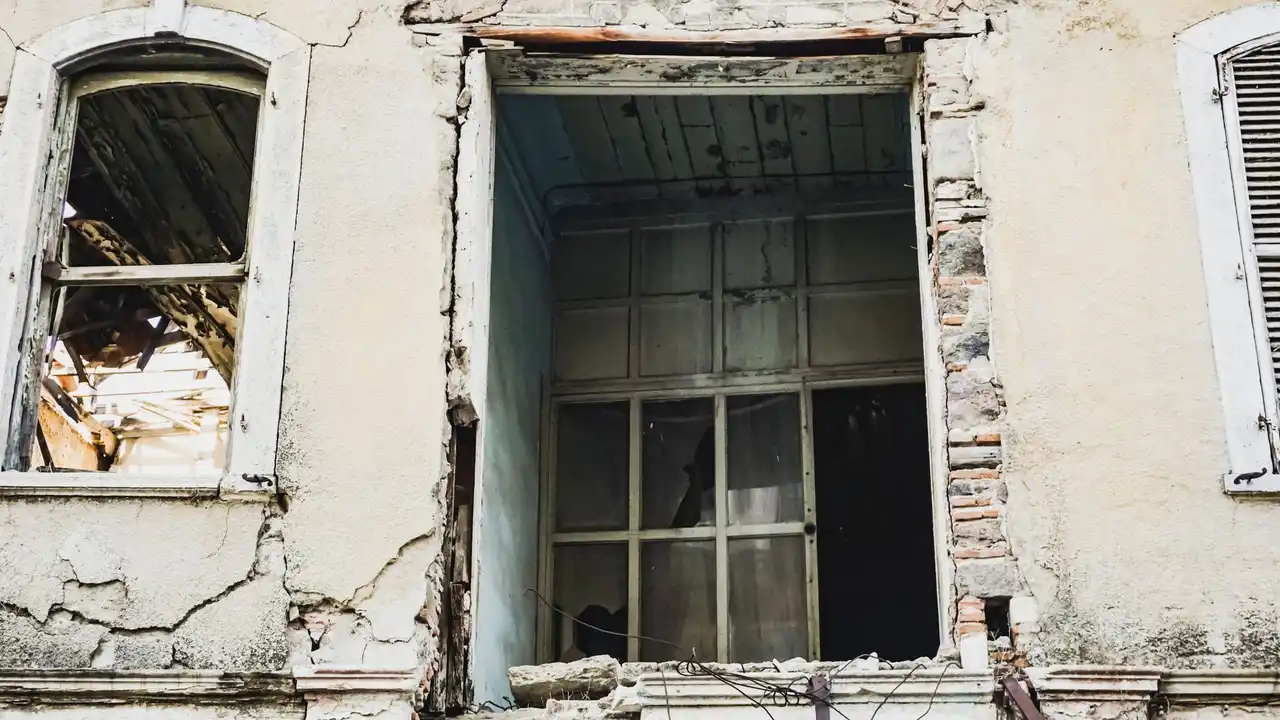
Written scope
Room-by-room list of what is removed and dried.
When a toilet backs up or the main line reverses, Sewage Backup Cleanup Pensacola FL means getting the mess out and the contamination neutralized before it spreads. Our crews handle raw sewage cleanup Pensacola homeowners call about at 2 a.m., pulling standing waste, cutting out soaked materials, and drying the structure so mold never gets a foothold. We work Escambia County homes and businesses with the same step-by-step discipline on every job.
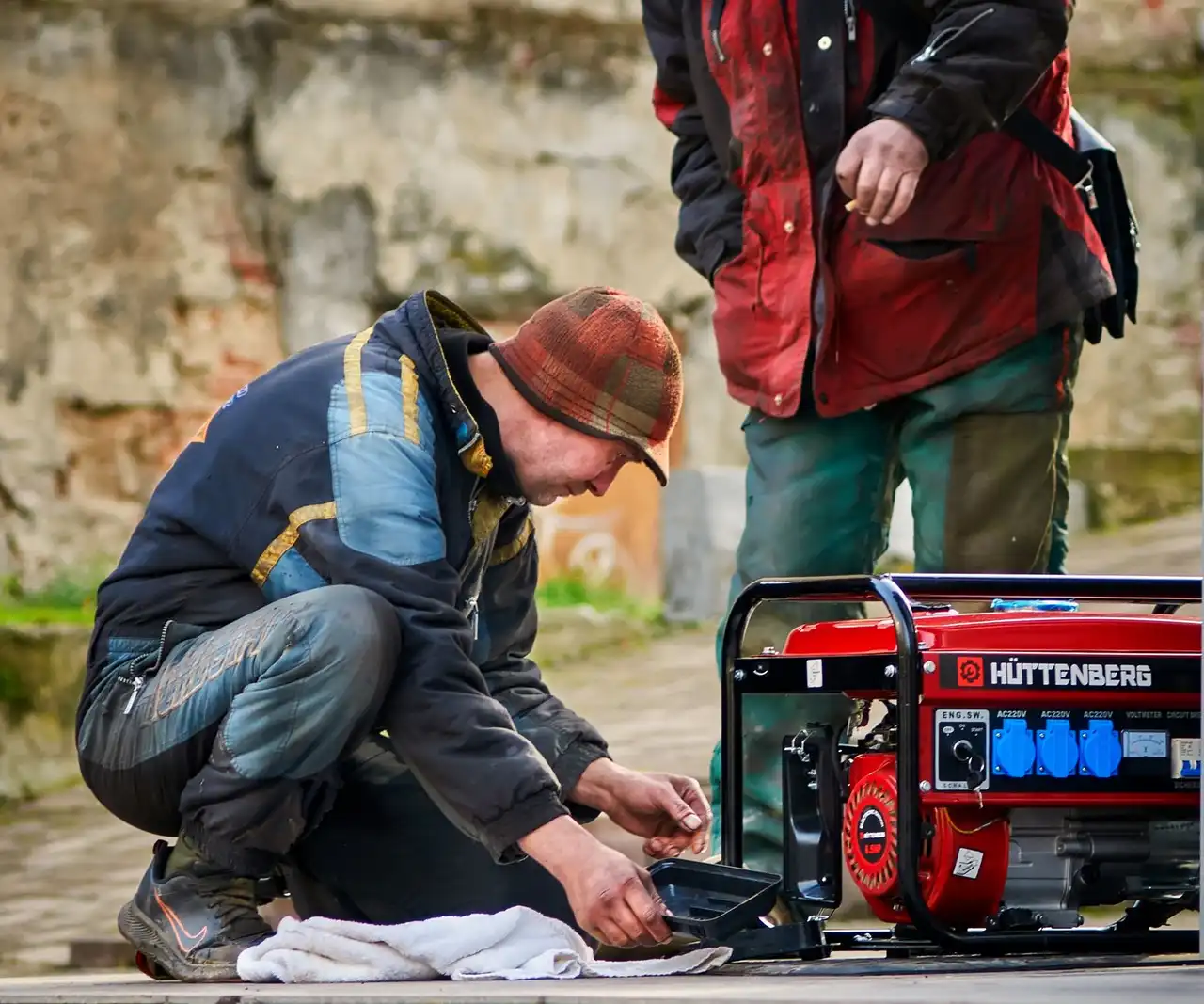
Every job starts with an inspection and a written scope. What follows depends on how far the contamination spread, but here is what our standard sewage backup cleanup includes. Anything beyond this, like reconstruction or plumbing repair, gets scoped separately so you know exactly what you are paying for.
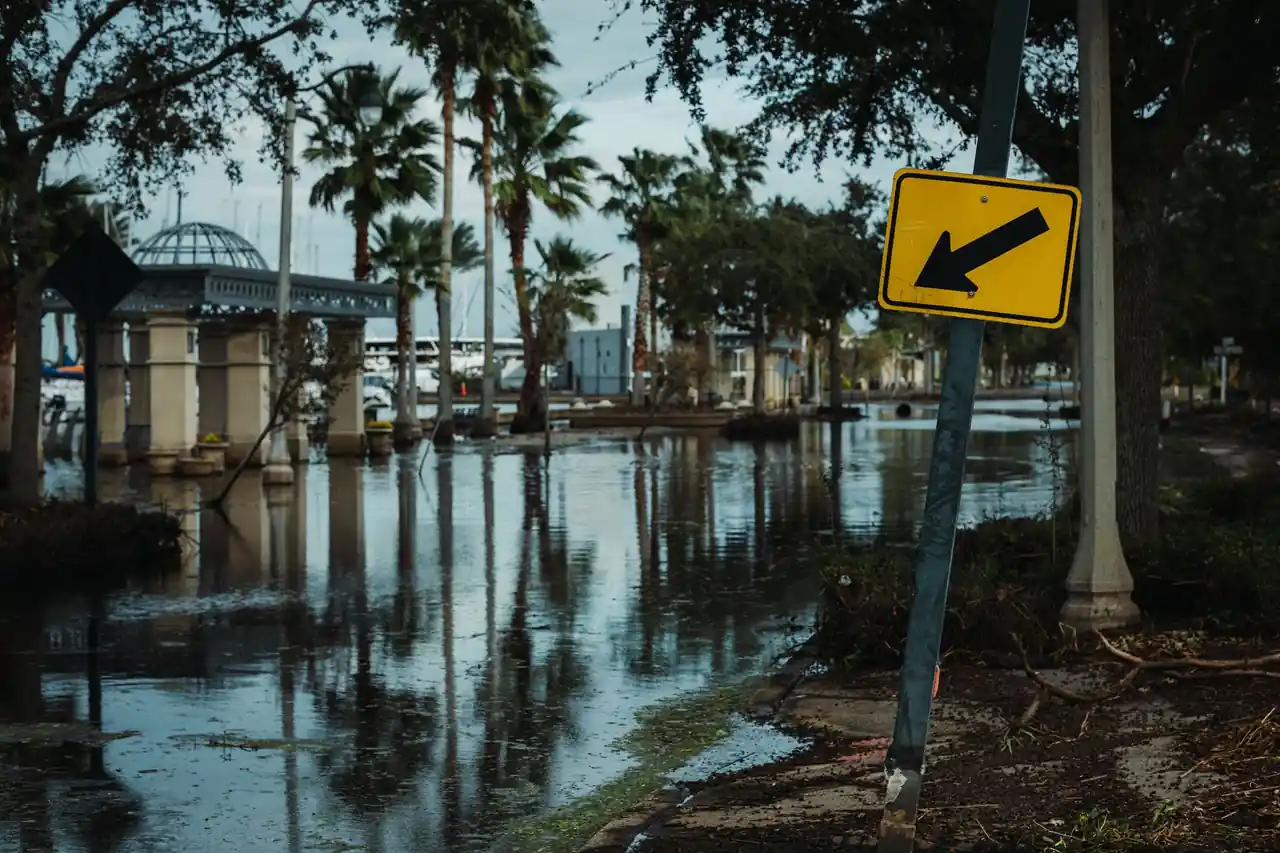
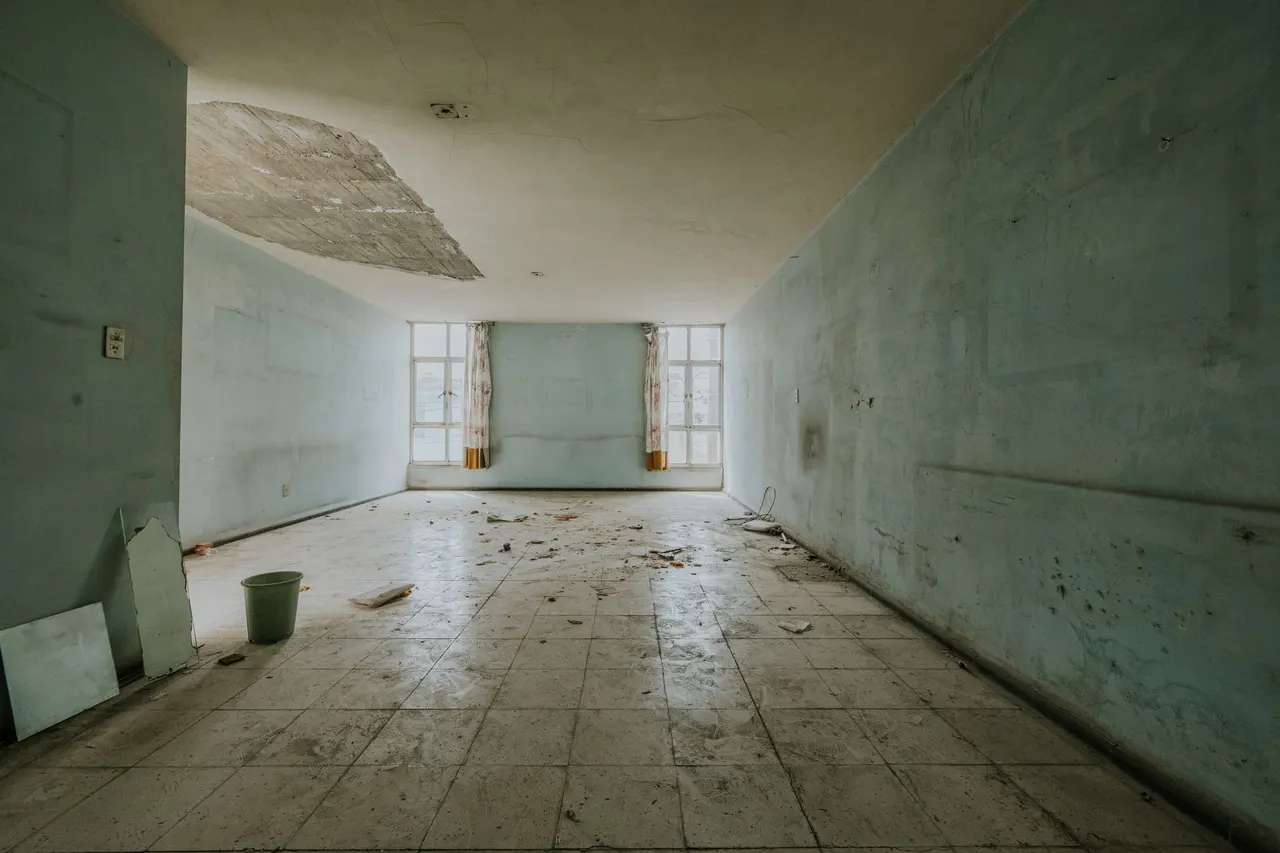
We handle backups in houses, condos and rentals across Pensacola. Our crews remove contaminated materials, treat the framing and subfloor, and dry the structure until readings show it is dry.
Restaurants, offices and retail spaces need the work done without shutting down longer than necessary. We phase the job around your operating hours and document everything for your insurer.
Sewage Backup Cleanup Pensacola FL is a Category 3 water remediation service that removes raw sewage, contaminated water and soaked building materials from a home or business, then sanitizes and dries the structure. It is not a mop-and-bleach job. Sewage carries bacteria, viruses and parasites, so anything porous it touches, from carpet padding to drywall, has to come out. We set containment, pull the waste with a water extraction unit, treat framing and subfloor with an antimicrobial solution, and dry the cavity until a moisture meter reads normal.
In Pensacola, backups usually trace back to one of four things: a clogged main line, a failed sump pump during a summer downpour, tree roots in older clay lateral lines, or a toilet overflow on a second floor that soaks the ceiling below. Homes in North Hill and East Hill sit on some of the oldest plumbing in the city, and cast iron lines that have been in the ground 70-plus years crack and collapse. If you are searching for sewage backup cleanup Pensacola FL near me after a backup, the clock matters: contamination wicks into framing within hours, and mold can start in 24 to 48.
Sewage is contamination, not just water, so the cleanup has to remove it, not dry it in place.
Every sewage backup job follows the same five steps. Here is what happens, who does it, and how long each phase takes so you can plan around it.
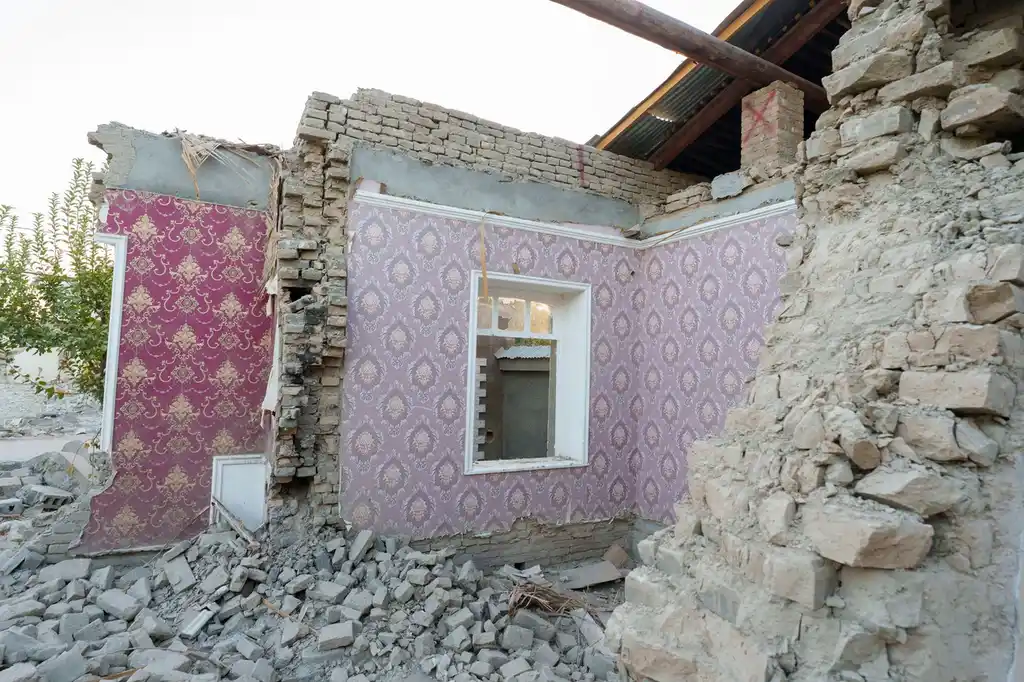
You call, we ask a few questions about the source and the square footage affected, and we schedule a crew. If the line is still backing up, we tell you how to shut off the water at the fixture or the main so the damage stops growing. We give you a realistic arrival window and stick to it.
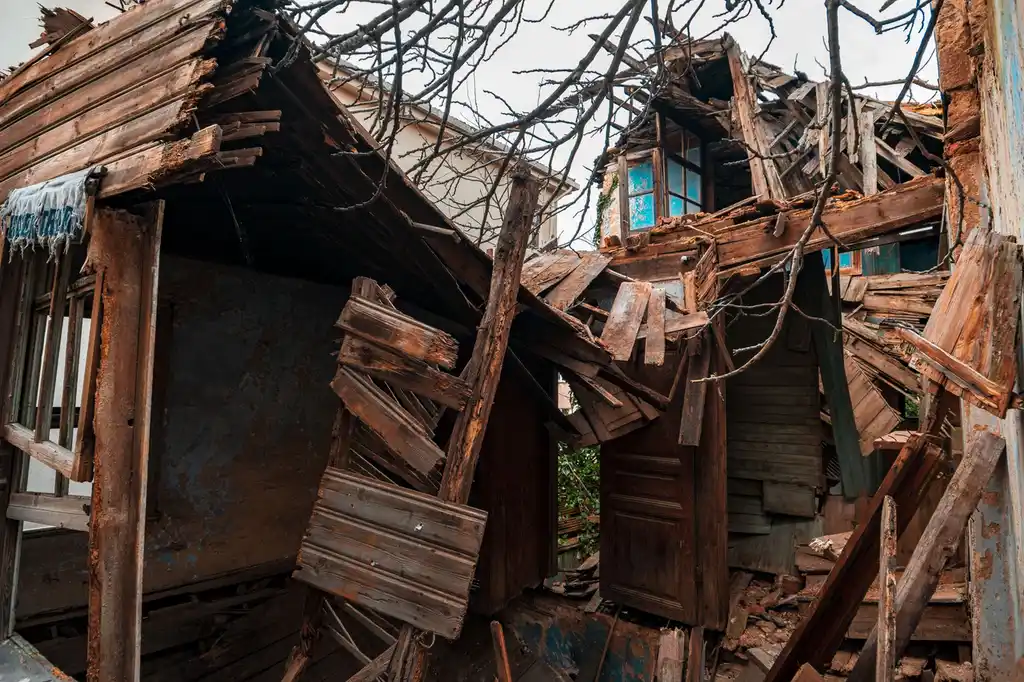
A lead technician walks the affected area with a moisture meter and thermal imaging camera, checks the crawl space with a borescope camera if needed, and maps the contamination. You get a clear scope: what comes out, what gets dried, and what the job involves. This usually takes 30 to 60 minutes.
We pull standing waste with a water extraction unit, then remove contaminated carpet, padding, baseboards and drywall to the flood line. Everything goes into sealed bags. This is the loud, messy phase, and it is usually done the same day. On a typical bathroom backup, extraction and teardown run two to four hours.

Framing, subfloor and any salvageable hard surfaces get an antimicrobial solution. We set air movers and dehumidifiers, sometimes a desiccant unit in tight crawl spaces, and check readings daily. You will hear the equipment running for three to five days. We monitor with a hygrometer and moisture meter and adjust the setup as the structure dries.
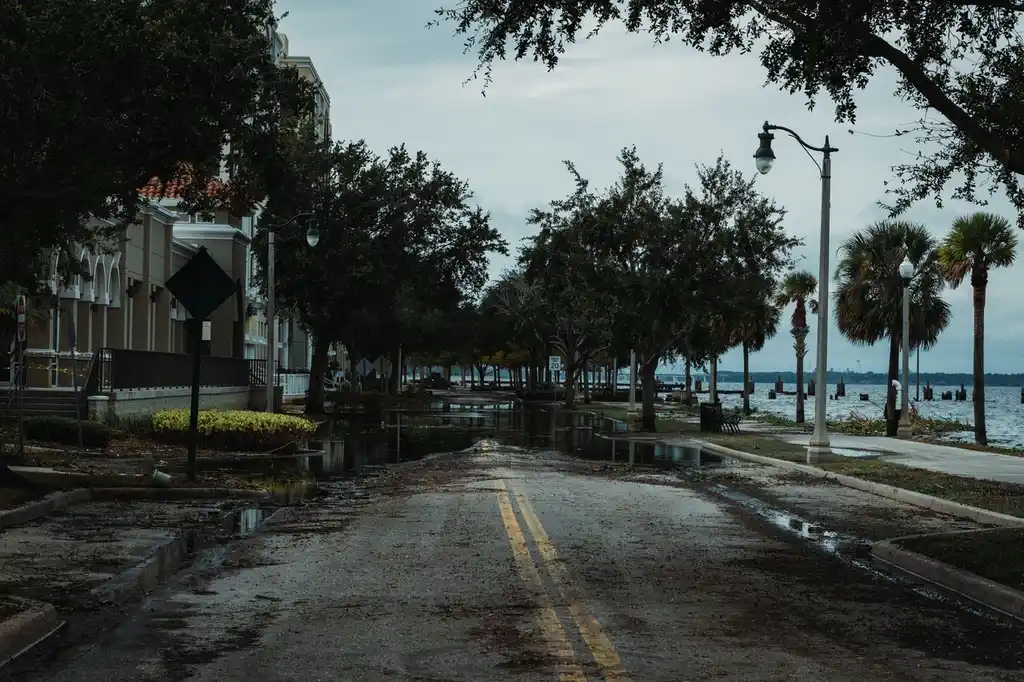
We do not pull equipment until readings match the dry standard for your home. You get a final walkthrough, photos of the before and after, and a written record of the moisture readings. If reconstruction is needed, we scope that separately so you know what is remediation and what is rebuild.
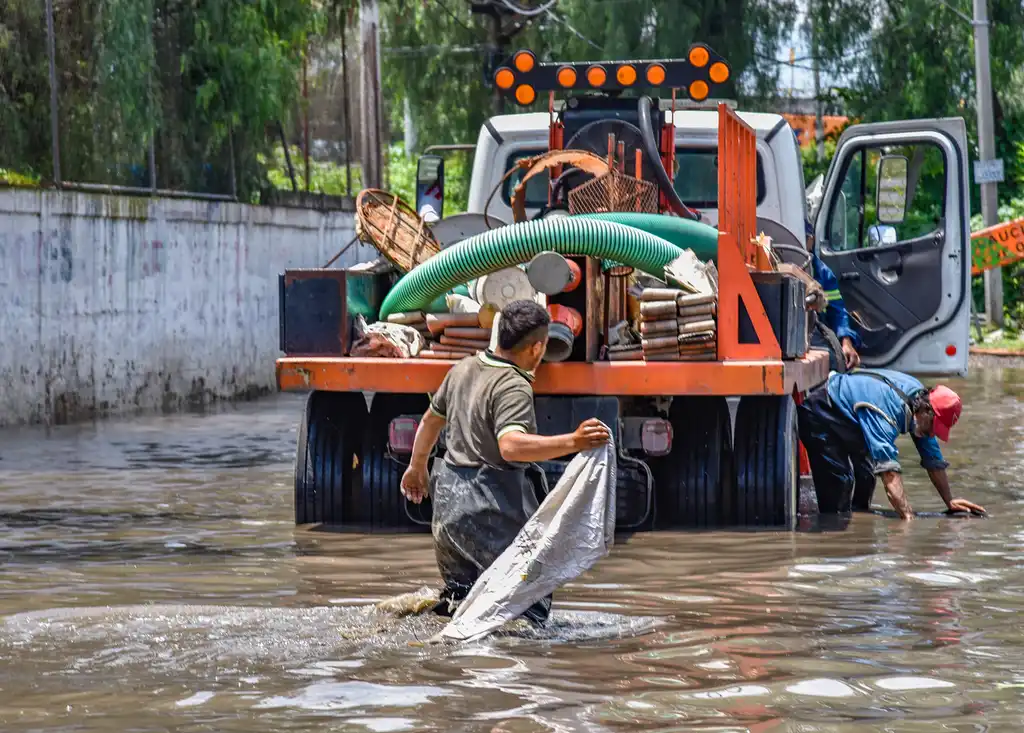
Pulls standing sewage and water out of carpet, hard floors and low spots before teardown begins. High-capacity units move hundreds of gallons quickly.
Measures moisture content in framing, drywall and subfloor, and tracks humidity in the air. We use readings to decide when the structure is actually dry.
Finds hidden moisture behind walls and under floors without opening everything up. It shows temperature differences that indicate wet areas.
Lets us look inside wall cavities and ceiling assemblies before we cut. We use it to confirm contamination and moisture in closed spaces.

Moves air across wet surfaces and pulls moisture out of the air. We size the number of units to the cubic footage of the affected area.
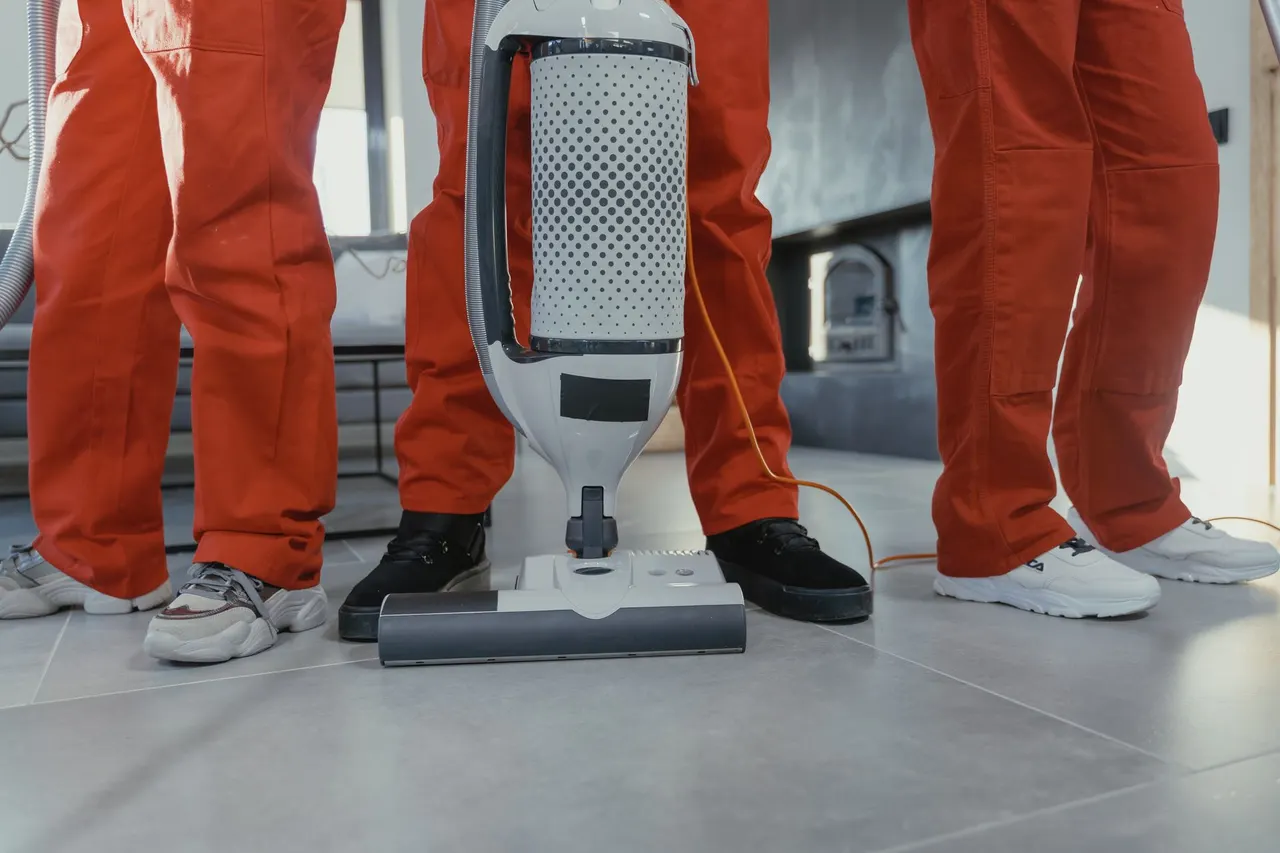
Runs a HEPA filter to capture airborne particles and odors during and after removal. It keeps the rest of the house cleaner while we work.
Treats stubborn odors after the source of contamination is removed. We use it in unoccupied spaces and air the area out afterward.
Sewage is treated as the most contaminated category of water. That means removal of porous materials, antimicrobial treatment of structural materials, and drying to a documented standard rather than a visual check.
We extract the standing waste, remove the baseboards and any soaked drywall, treat the tile and framing with an antimicrobial solution, and set air movers to dry the room. The bathroom is dry and sanitized in three to four days, and the tile floor is saved because we got to it before the water wicked into the subfloor.
We coordinate with the property manager, extract the water, remove the contaminated carpet and pad, treat the subfloor, and dry the rooms. Documentation goes to the owner and the insurer. The tenant is back in the bedrooms within a week with new carpet, and the owner has a clean claim file with photos and moisture readings.
We work after closing, extract and remove contaminated materials, treat the floor and walls, and set drying equipment. We phase the work so the kitchen can reopen for lunch service. The dining room is sanitized and dry in four days, and the restaurant does not lose a full day of business.
We pump out the crawl space, check the joists with a moisture meter, treat the soil and framing if contaminated, and set a desiccant dehumidifier to dry the space. The crawl space is dry, the smell is gone, and a vapor barrier is installed to reduce future moisture problems.
Pensacola has a mix of housing stock that changes how a sewage backup plays out. In the historic districts like North Hill and Seville Square, you have pier-and-beam cottages with cast iron drain lines that have been in the ground for decades. When those lines fail, sewage can pool under the house in the crawl space, and the cleanup involves pumping out the space and treating the soil, not just drying a floor. In the slab-on-grade neighborhoods like Cordova Park and Scenic Heights, the water has nowhere to go but into the walls and baseboards, so we rely on a thermal imaging camera to find the hidden moisture. Summer storms and hurricane season put extra pressure on the municipal system, and that is when we see the most backups. If you need 24/7 sewage cleanup in Pensacola, Florida, we schedule crews around the weather and the tide. Our local experience means we know which neighborhoods flood first and which lines are most likely to fail.
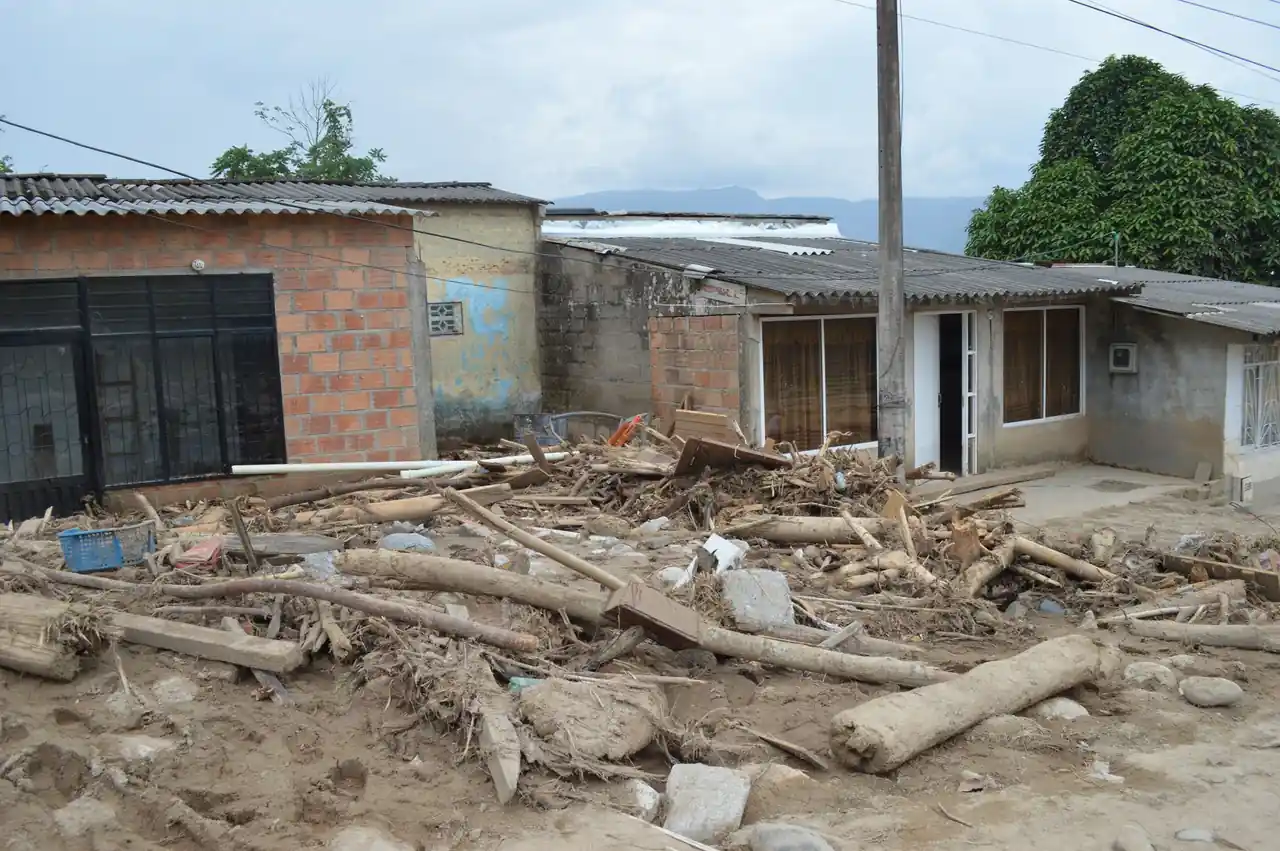
A cast iron lateral failed and sewage backed up into a 10x12 laundry room, soaking vinyl flooring and the bottom 18 inches of drywall. The homeowner had tried to mop it up but the smell was getting worse.
We removed the contaminated drywall and vinyl, treated the framing and subfloor, and dried the room in four days. Moisture readings went from 28% to 11% in the framing. The homeowner replaced the flooring after we finished.
Have the lateral line scoped by a plumber every few years, and keep a moisture meter reading after any future backup so you catch hidden moisture early.
A grease clog caused sewage to back up through a floor drain in a restaurant dining room overnight. About 400 square feet of tile and the bottom of two walls were affected. The restaurant was closed for breakfast service.
We extracted the standing waste, removed the contaminated drywall, treated the floor and framing, and set drying equipment. The dining room was dry and sanitized in four days, and the restaurant reopened for lunch on day five.
Schedule grease trap pumping on a regular schedule and have the line jetted annually to reduce the chance of another clog.
A second-floor toilet overflow ran through the ceiling into a first-floor living room, soaking carpet, pad and the ceiling drywall. The homeowner noticed a water stain but did not realize the ceiling cavity was wet.
We opened the ceiling, removed saturated insulation and drywall, extracted the carpet, and dried the cavity and the room. The thermal imaging camera found moisture 3 feet beyond the visible stain. Everything hit dry standard in five days.
Check under sinks and around toilets for slow leaks, and fix a running toilet promptly so it does not overflow while you are away.
Most people call us because something has already gone wrong. Here are the situations we see most often and what happens if they are left alone.
We extract standing waste, cut out contaminated drywall and flooring to the flood line, treat the framing, and set drying equipment. On a typical two-room backup, extraction and teardown are done the same day. Sewage wicks into drywall and framing within hours, and mold can start in 24 to 48 hours. The longer it sits, the more material has to be removed.
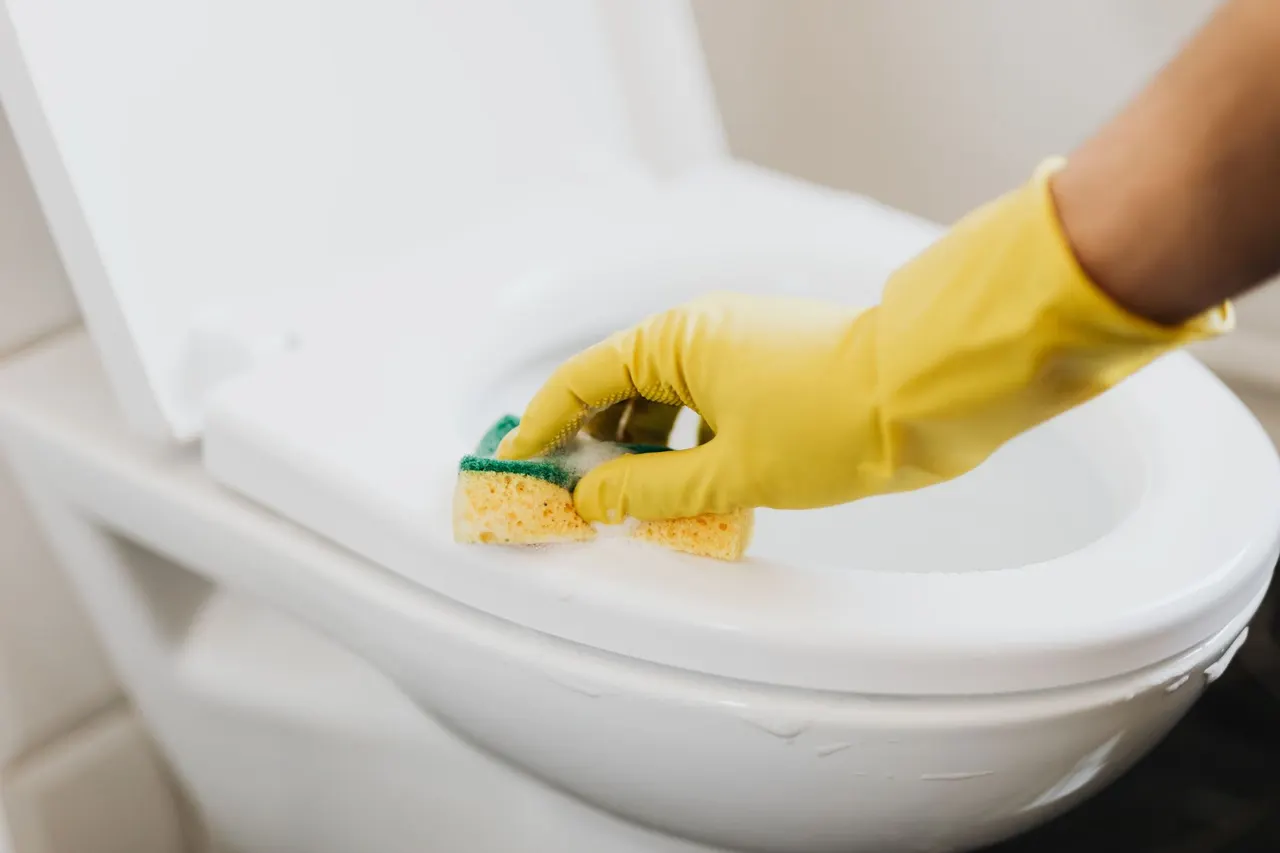
We open the ceiling, remove saturated insulation and drywall, treat the framing, and dry the cavity. A borescope camera lets us check inside the ceiling assembly before we close it back up. Water runs through the ceiling below, soaking insulation and drywall. If the ceiling is not opened, it stays wet and grows mold from the inside out.
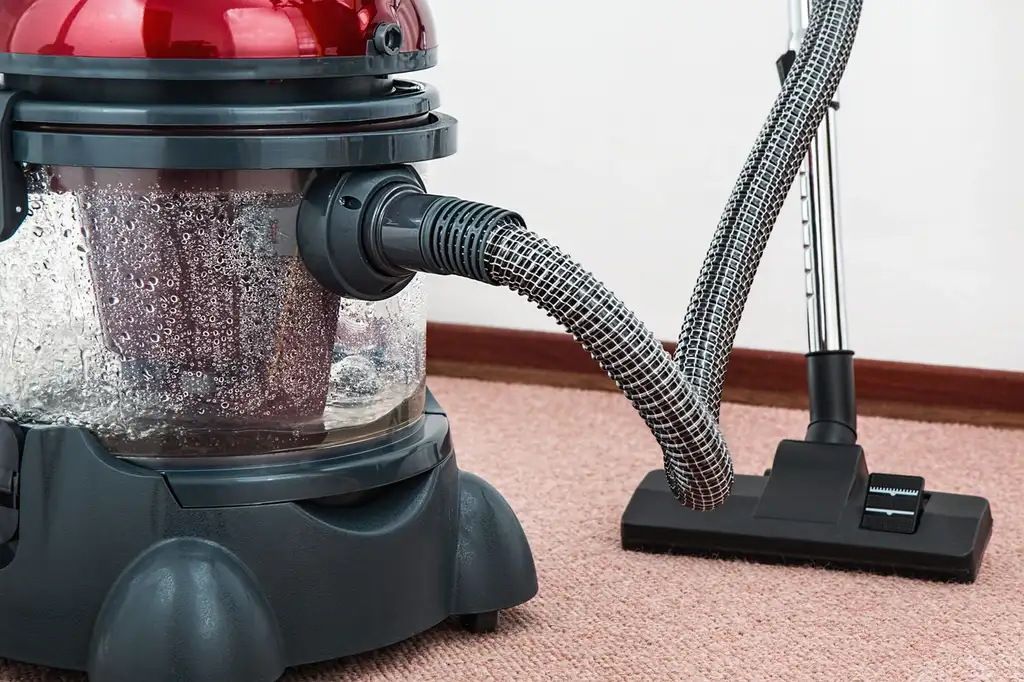
We pump out the standing water, remove contaminated soil if needed, treat the space, and set drying equipment. A vapor barrier goes down after the space is dry to keep ground moisture out. Standing water under the house keeps the whole structure humid and can lead to wood rot and mold on floor joists. Sewage in the crawl space adds a contamination problem.
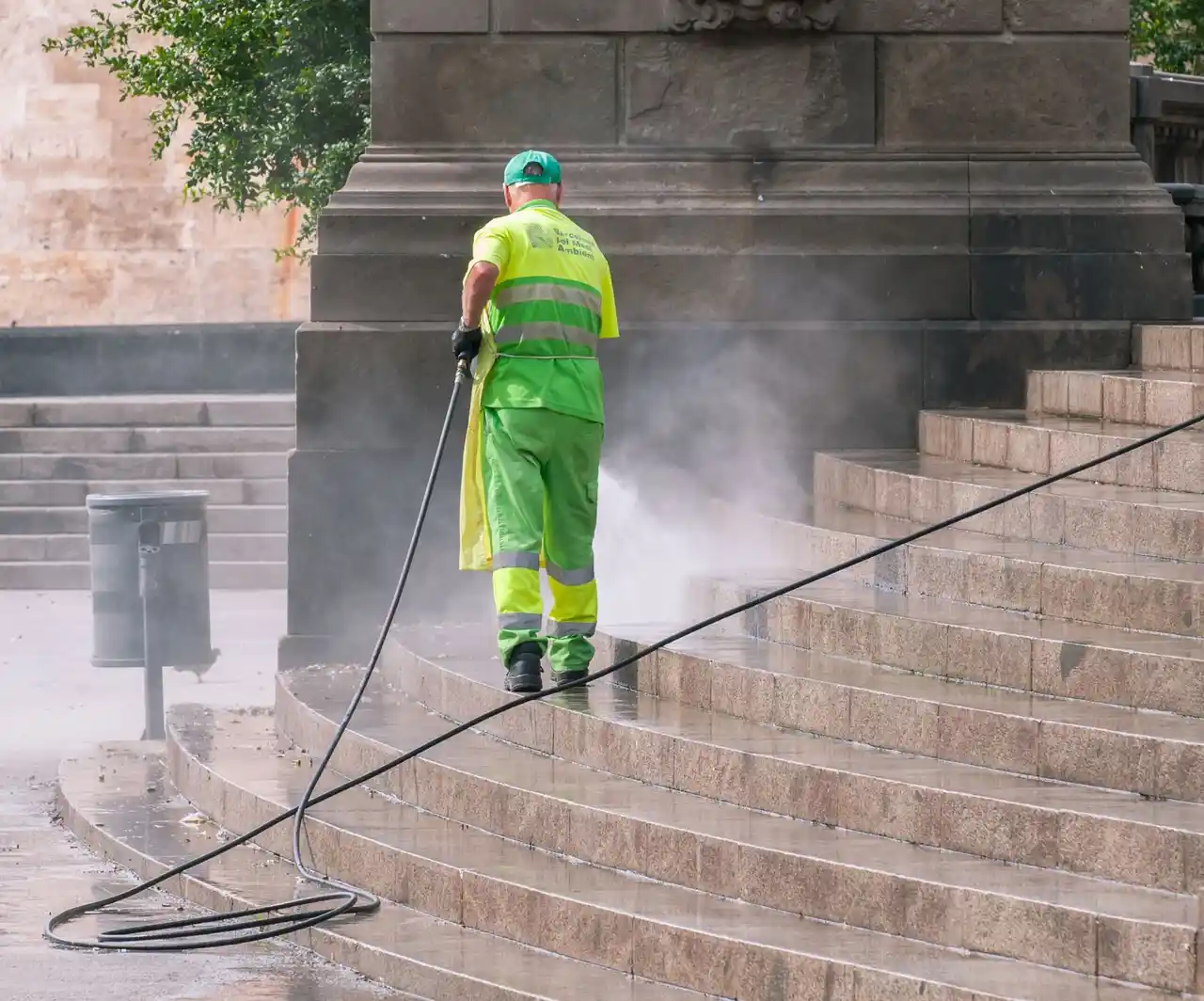
We locate the source with a moisture meter and thermal imaging camera, remove or treat the contaminated material, and run an air scrubber with a HEPA filter to clear the air. Ozone treatment is available for stubborn odors after the source is gone. Odor usually means contamination is still present in a porous material or the drying was incomplete. Masking it with air freshener does not fix the source.
We treat every backup as Category 3 until testing says otherwise. That means full PPE, containment barriers, and removal of carpet, padding and drywall that absorbed waste. We apply an antimicrobial solution to framing and subfloor, then verify with a moisture meter and hygrometer before we close anything back up. You get a documented dry standard, not a guess.
Standing sewage is only half the problem. The water that wicked into baseboards, insulation and subfloor is what grows mold two weeks later. We set air movers and dehumidifiers sized to the cubic footage, check readings daily, and do not pull equipment until the structure hits dry standard. Most Pensacola jobs dry in three to five days.
Most homeowners policies cover sudden sewage backup, often through a rider. We document the loss with photos, moisture readings and a room-by-room scope built in Xactimate, the same estimating platform your adjuster uses. That keeps the claim moving and reduces back-and-forth. Ask us about affordable sewage backup cleanup Pensacola FL options if you are paying out of pocket.
We are based here, not dispatched from three counties away. When a sewer line backs up into a Sanders Beach cottage or a Cordova Park ranch, we know the building stock, the crawl spaces and the permit office. Our technicians hold IICRC WRT and ASD credentials and carry a Florida Mold-Related Services License, so the drying and the remediation are done to standard.
Clear records you can keep and share.
Room-by-room list of what is removed and dried.
Daily numbers showing when the structure is dry.
Before and after photos for your insurance claim.
Sewage is classified as Category 3 water, the most contaminated type. That means porous materials it touches usually have to be removed, not dried and reused.
Sewage carries bacteria and viruses. Porous materials like carpet, pad and drywall that absorb it are removed rather than dried in place.
Water wicks into framing and subfloor beyond the visible mess. We use a moisture meter and thermal imaging camera to find it before mold starts.
Most structures dry in three to five days with air movers and dehumidifiers. We check readings daily and do not pull equipment until the numbers hit dry standard.
Outside these areas? Call and ask if we can reach you. 8505550125
Most residential sewage backup cleanup jobs in Pensacola run $1,200 to $4,500, depending on square footage, how much material has to be removed, and whether the crawl space is affected. A small bathroom backup with vinyl flooring sits near the low end. A backup that soaks carpet, pad and drywall across two rooms lands higher. We give you a written scope before work starts so there are no surprises.
Yes. Sewage carries bacteria, viruses and parasites, and it is classified as Category 3 water, the most contaminated category. Exposure can cause gastrointestinal illness and skin infections. That is why we wear full PPE, set containment, and remove porous materials rather than drying them in place. Do not walk through standing sewage in sandals or let pets near it. Call us and we will handle the removal safely.
A licensed water damage remediation company with Category 3 training handles it. Your plumber clears the clog or fixes the line, but the cleanup, sanitization and drying are a separate trade. We work alongside plumbers regularly and can recommend one if the line itself needs repair. Our crews hold IICRC WRT and ASD certifications and a Florida Mold-Related Services License.
Often yes, but usually through a specific sewage backup rider, not the base policy. Many Florida homeowners policies exclude sewer backup unless you added coverage. Check your declarations page for a sewer or water backup endorsement. If you have it, we document the loss in Xactimate and photograph every affected area so your adjuster has what they need. If you do not, we will walk you through cash-pay options.
Standing sewage gets worse by the hour. Call Pensacola Water Damage Pros and we will schedule a crew, walk your property, and give you a clear scope before we start. We work Escambia County seven days a week.
Call 850-555-0125 any time, day or night, and describe what happened. We ask where the water is, whether the source is shut off, and how long it has been running. A crew gets dispatched with extraction and drying equipment, and most Pensacola calls get a team on site within two hours.