Written scope
Room-by-room before work starts
When a storm pushes water into your home, Storm Damage Water Restoration Pensacola FL crews move fast to stop the damage from spreading. We pull standing water, dry the structure, and document everything for your claim. From East Hill bungalows to Cordova Park ranches, our team handles hurricane water damage repair in Pensacola FL with truck-mounted extraction and calibrated drying equipment, usually arriving within 60 to 90 minutes of your call.
Our storm restoration scope covers the full path from standing water to finished repair. Here is what is included on a standard storm loss, and what we treat as an add-on when the damage goes further than the initial inspection showed.

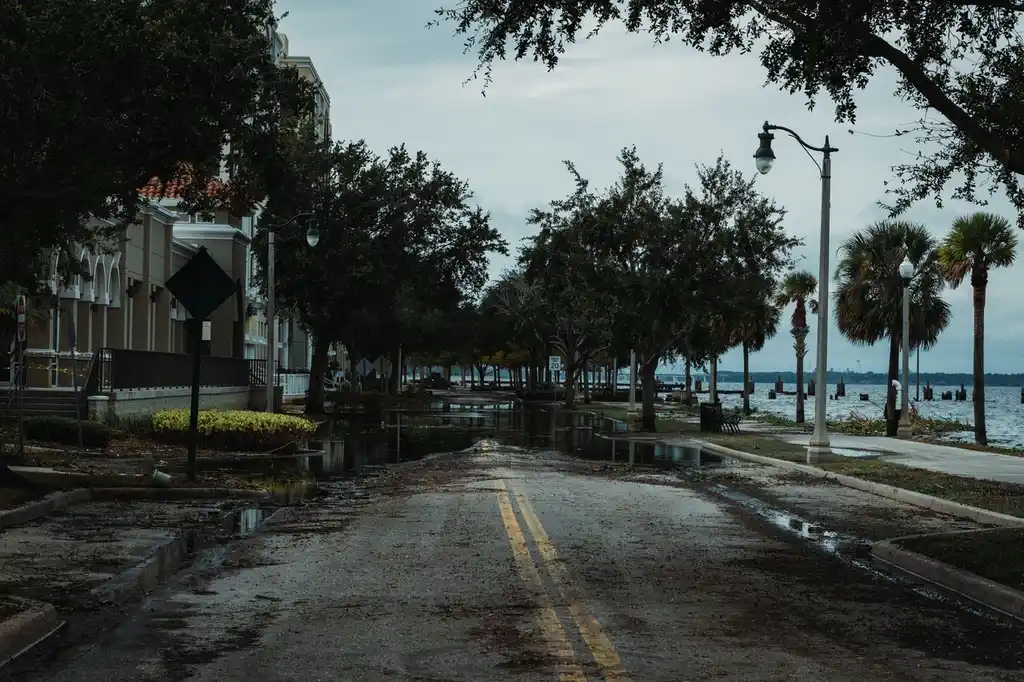
We handle storm water in houses from the first extraction to the final drywall patch. You get a written scope, daily moisture readings, and a walkthrough before we pack up.
We work around your operating hours so a storm loss does not close your doors. Crews section off the affected area and dry around inventory and equipment.
Storm Damage Water Restoration Pensacola FL is the process of removing storm-driven water from a building, drying the structure to verified moisture levels, and repairing what the water ruined. It starts with a moisture meter and thermal imaging camera walk-through to map how far the water traveled behind drywall and under flooring. From there we extract standing water, pull wet carpet padding, set air movers and dehumidifiers, and monitor with hygrometer readings until the framing and subfloor hit dry standard. The last phase is repair: baseboards, drywall, insulation, and paint.
Pensacola sits in Escambia County where tropical systems dump several inches of rain in hours, and older housing stock near Downtown and Seville Square Historic District often has crawl spaces that flood first. When a roof leak or burst pipe follows the storm, water wicks into insulation and ceiling cavities before you see a stain. That is why we treat every call as time-sensitive and offer emergency storm water cleanup near Pensacola around the clock. The sooner extraction starts, the smaller the repair bill and the lower the chance of mold growth.
Storm water gets measured, extracted, and dried to a verified number before we call the job done.
You get a clear sequence from the first phone call to the final moisture reading. Here is what happens, who does it, and how long each stage takes on a typical Pensacola storm loss.
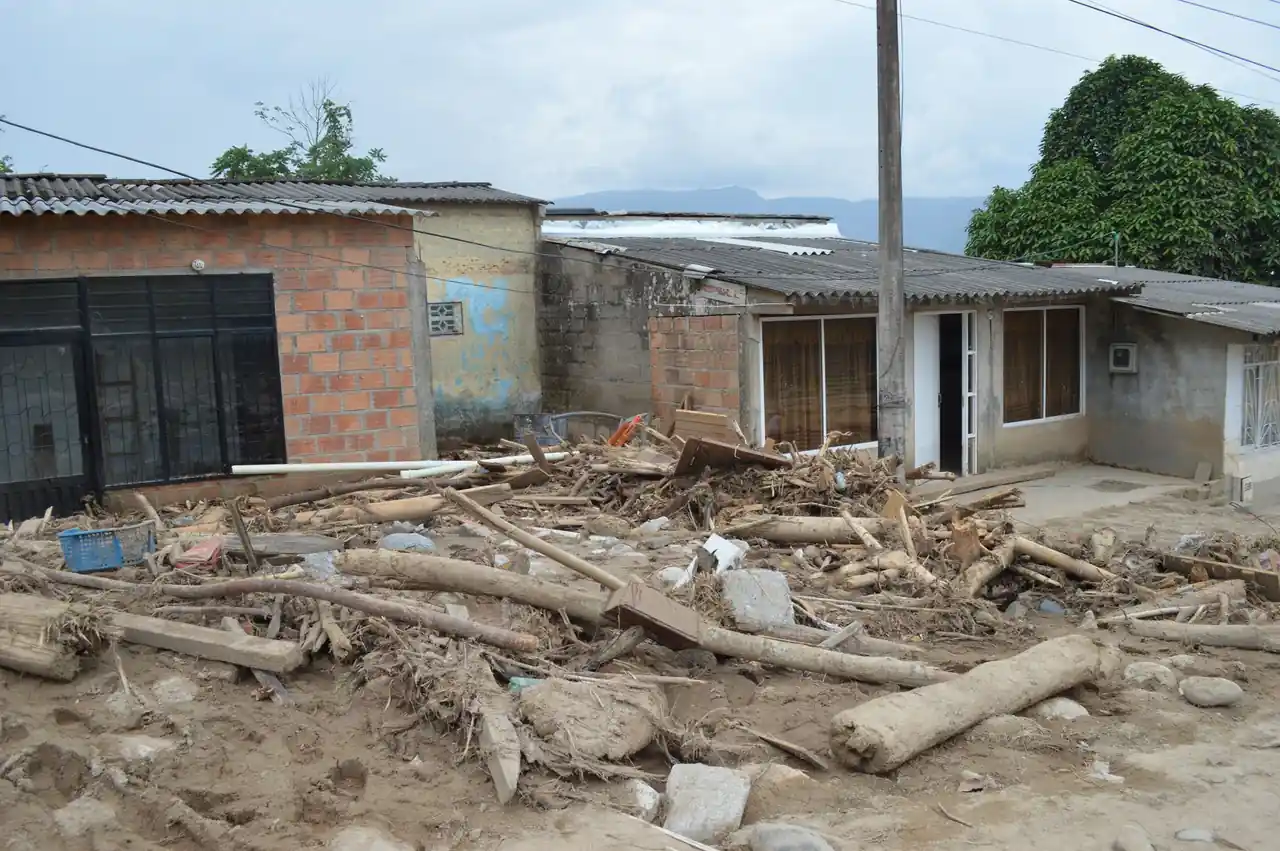
You call and describe what happened: roof leak, crawl space flooding, or water through a sliding door. We ask about the water source, how long it has been standing, and whether power is safe. A crew is dispatched with extraction units and drying gear, and you get an arrival window in the same call.
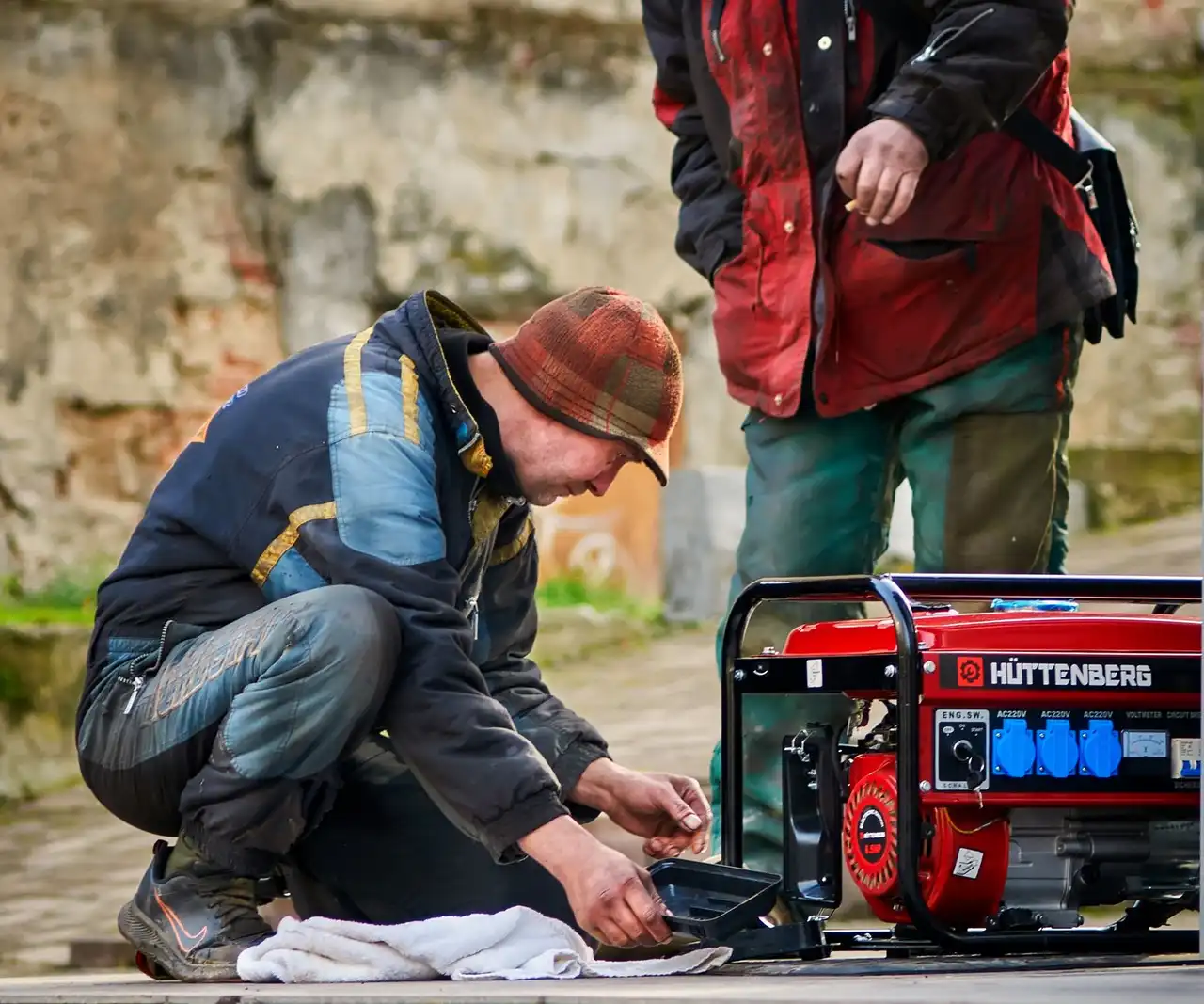
The lead technician walks the house with a moisture meter and thermal imaging camera, checking baseboards, subfloor, and ceiling cavities. A borescope camera goes into wall bays where water may have traveled. You get a written scope and photos before any equipment is set, usually within 45 to 60 minutes on site.
Truck-mounted water extraction units pull standing water from carpet, hardwood, and tile grout lines. Wet carpet padding is cut out and bagged because it rarely dries fast enough to save. Extraction on a typical 1,200 square foot affected area takes 2 to 4 hours depending on how much water came in.
We set air movers and dehumidifiers in a calculated pattern based on the IICRC WRT drying formula, then return daily to log hygrometer and moisture meter readings. Most Pensacola storm losses dry in 3 to 5 days. If a cavity is not dropping, we add injector drying or open the wall further.
Once readings match dry standard, we remove equipment and move into repair: drywall patches, joint compound, baseboards, insulation, and paint. You get a final moisture report and photo set for your insurer, plus a walkthrough of what was replaced and what to watch over the next rainy season.
Finds temperature differences behind drywall and under flooring so we can map where storm water traveled without opening every wall. It is the first tool on every inspection.
Measures moisture content in framing, drywall, and subfloor, and tracks relative humidity in the drying chamber. Daily readings are logged and shared with you and your adjuster.
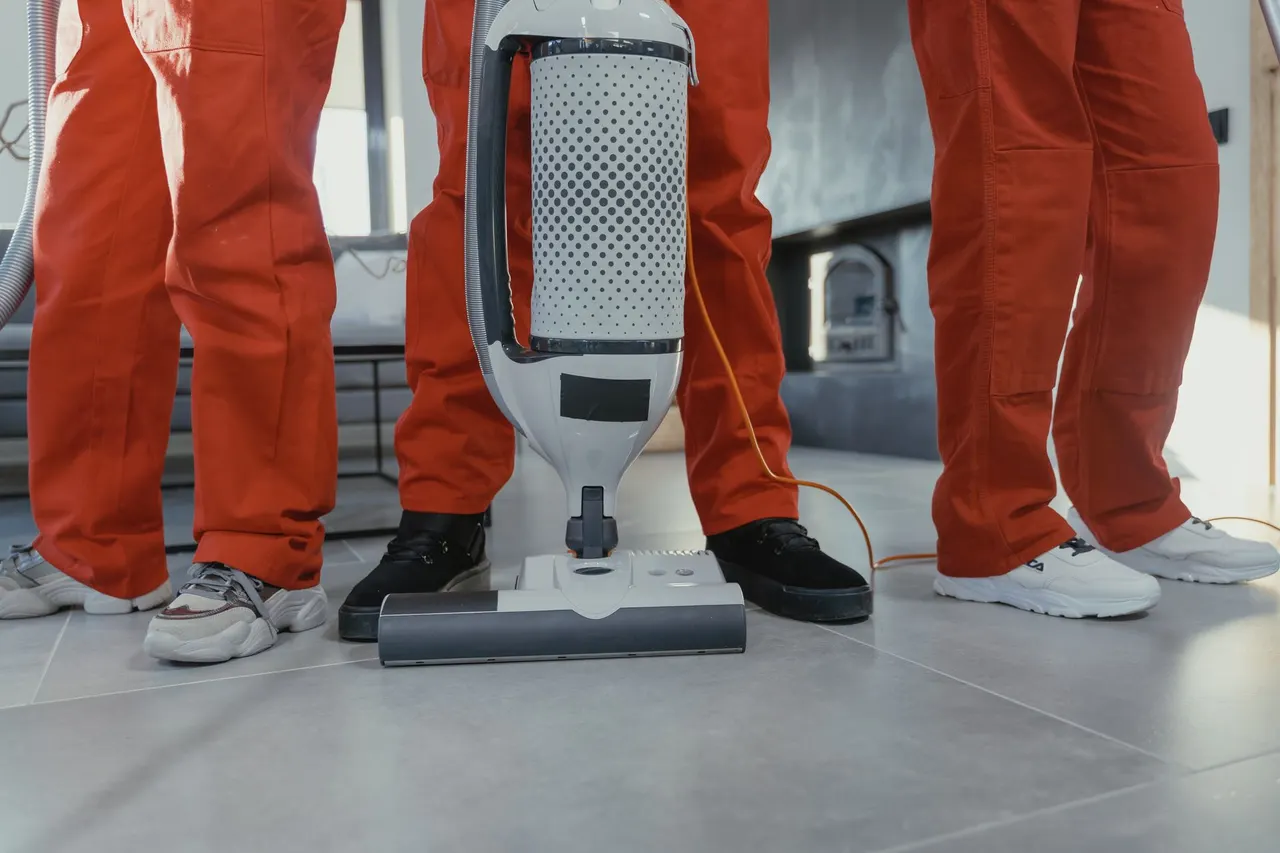
Pulls standing water from carpet and hard surfaces faster than portable units. It is the reason we can extract a 1,200 square foot affected area in 2 to 4 hours.
Creates the airflow and humidity drop needed to dry framing and subfloor. Equipment counts are calculated from the IICRC WRT formula, not eyeballed.
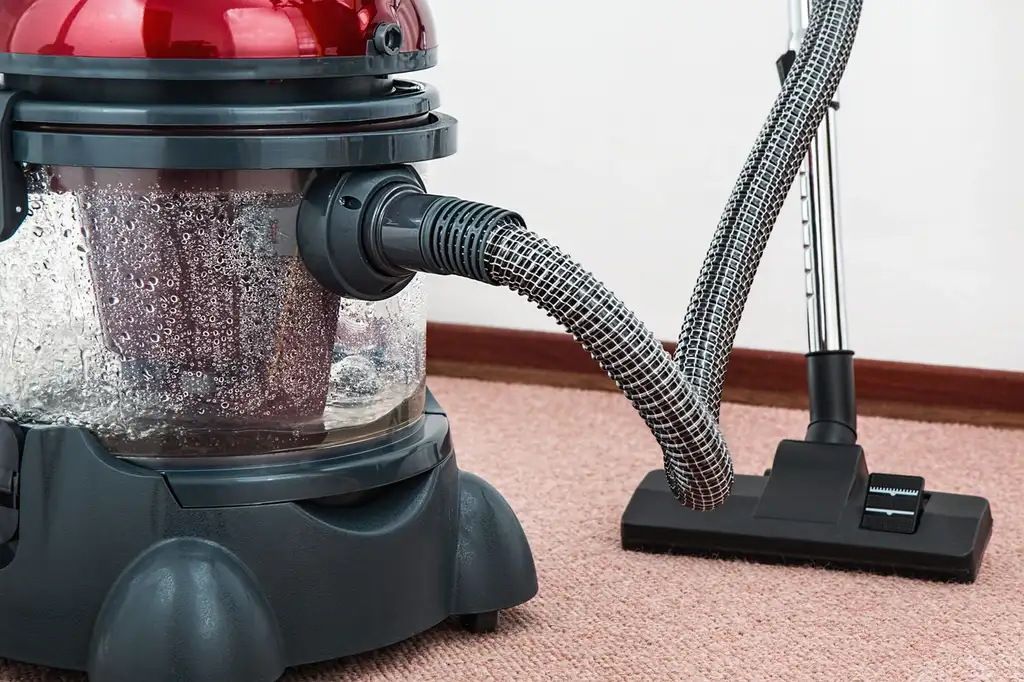
Runs during demolition to capture mold spores and dust so the rest of the house stays clean. It is standard on any storm loss where drywall or insulation comes out.
Looks inside wall bays and ceiling cavities where water hides. It lets us confirm a cavity is wet or dry without cutting a larger hole than necessary.
We calculate air mover and dehumidifier counts from the affected square footage, ceiling height, and class of water intrusion. This is how we set a drying chamber that actually works instead of a fan pile that runs for two weeks.
Every storm loss is scoped in Xactimate, the same estimating platform most insurers use. That means line items, quantities, and pricing match what your adjuster expects, which shortens the review and reduces back-and-forth.
We extract the standing water, cut out the saturated padding, lift the carpet, and set air movers and a dehumidifier. Daily readings track the subfloor until it hits dry standard, usually 3 to 4 days. The carpet is saved, the subfloor is dry, and the homeowner has a photo log and moisture report for the insurance claim.
We pump out the crawl space, remove wet insulation, set a vapor barrier, and dry the joists with directed airflow. A sump pump is checked and the grade around the foundation is reviewed. The floor above stops cupping, the humidity under the house drops, and the homeowner has a maintenance plan before the next system.
We tarp the roof opening, trace the leak with a thermal imaging camera, open the ceiling cavity, and dry the framing and insulation. Repair includes drywall, joint compound, and paint matched to the room. The ceiling is repaired and repainted, the framing is dry, and the documentation supports the hurricane water damage claim.
We extract the standing water, remove wet drywall at the base, dry the slab and framing, and apply antimicrobial solution to the affected areas. The sump pump circuit is reviewed with the homeowner. The garage and laundry room are dry and clean, and the homeowner knows what to check before the next outage.
Pensacola storm losses follow patterns. Tropical systems in late summer and fall push rain sideways into doors and roof openings, and the older housing stock in East Hill, North Hill, and Seville Square Historic District often has crawl spaces that take water first. We route crews by neighborhood and bridge access so a storm flood cleanup Pensacola Florida call in Sanders Beach does not get stuck behind traffic on the way to Cordova Park. Winter brings a different pattern: cold snaps burst pipes in uninsulated attics and garages, and those losses need extraction before a freeze-damaged line thaws and floods again. We check the water source first on every call, because a storm loss and a burst pipe loss dry differently. If you are searching for storm water damage restoration Pensacola FL near me during a system, our local staging means a real arrival window, not a promise.
A tropical system dropped 5 inches of rain in a few hours, and the crawl space under a 1960s ranch filled with 8 inches of water. The hardwood floor above started cupping within two days, and the insulation was saturated.
We pumped the crawl space, removed the wet insulation, set a vapor barrier, and dried the joists for four days. Moisture readings in the joists dropped from 28 percent to 11 percent, and the floor cupping settled without replacement.
Check the sump pump and the grade around the foundation before each storm season. Keep gutters clear so roof water discharges away from the crawl space.
A hurricane peeled shingles off a 1,800 square foot ranch, and water ran down the framing into the living room ceiling. The stain appeared two days later, and the drywall was soft across a 4 by 6 foot section.
We tarped the roof, opened the ceiling, dried the framing for three days, and replaced the drywall, joint compound, and paint. The final moisture reading in the framing was 10 percent, and the repair blends with the original ceiling.
Have the roof inspected after any storm that lifts shingles. A ceiling stain that shows up days later usually means water traveled along framing.
Wind-driven rain pushed under a sliding door and soaked 300 square feet of carpet and padding in a 1930s bungalow. The water sat overnight before the homeowner called, and the padding was saturated.
We extracted the standing water, removed the padding, lifted the carpet, and dried the subfloor for three days. The subfloor moisture dropped from 24 percent to 9 percent, and the carpet was reinstalled with new padding.
Check the door sweep and threshold seal before storm season. A towel at the door during a system buys time but does not replace a proper seal.
Storm losses rarely stay in one room. These are the problems we see most often when Pensacola gets hit, and how we keep them from turning into a bigger repair.
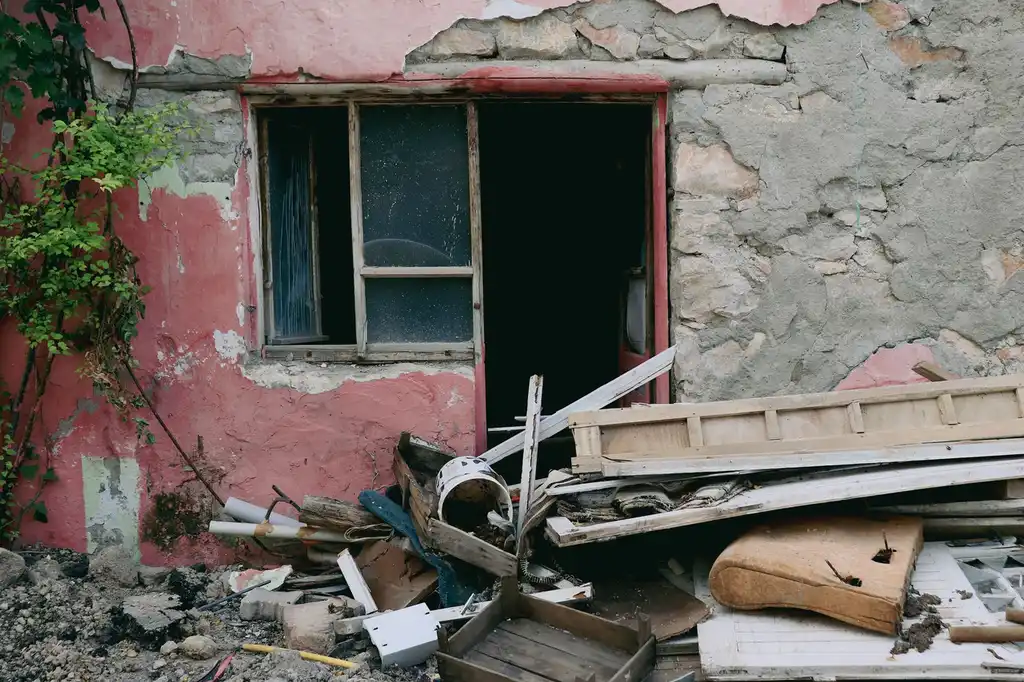
We pump out the crawl space, remove wet insulation, set a vapor barrier, and dry the joists with directed air movers. A sump pump check is part of the walkthrough so the next storm does not repeat the problem. Standing water under the house rots joists, warps hardwood floors above, and pushes humidity into the living space. Left alone, it becomes a mold source that keeps coming back.
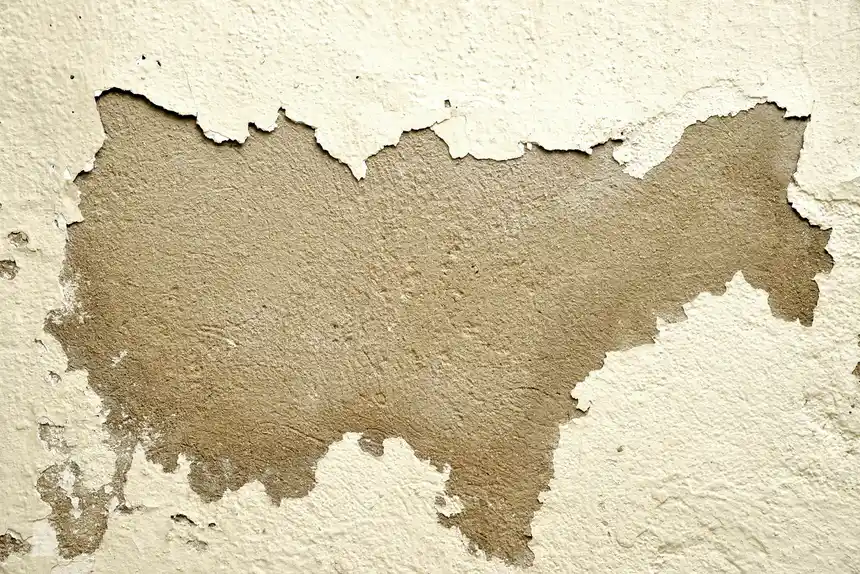
We trace the leak path with a moisture meter and thermal imaging camera, open the ceiling where needed, dry the framing, and repair the drywall and paint. If the roof is still open, we tarp it before extraction starts. Water travels along framing and drips into the ceiling cavity, so the stain appears after the storm has passed. By then, insulation and drywall are saturated and mold has a head start.
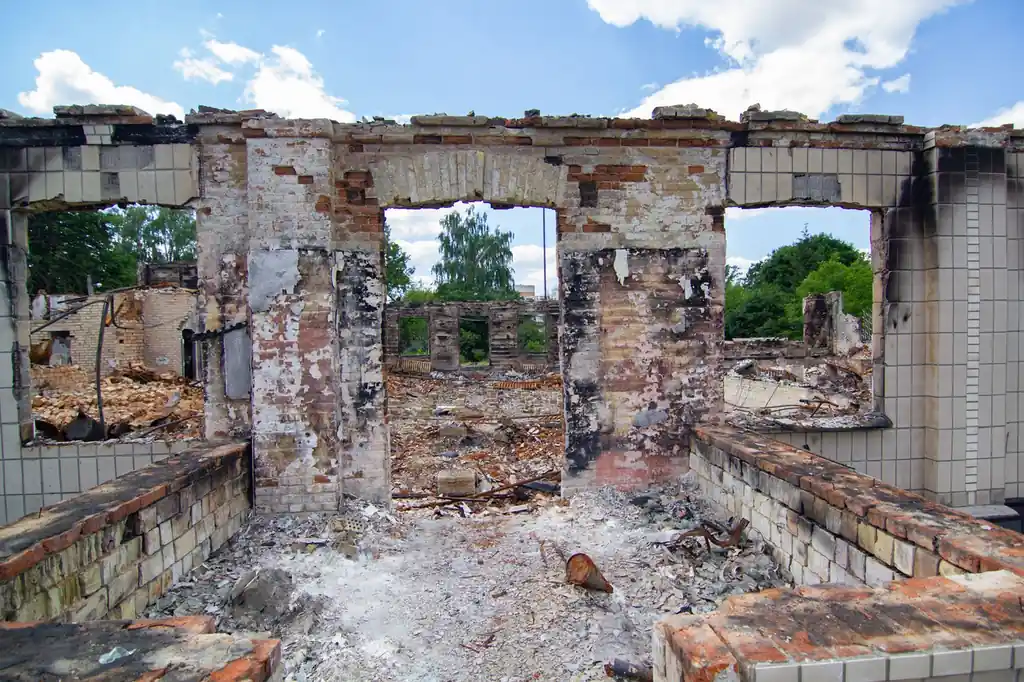
We use a moisture meter to find the true wicking line, cut drywall to that mark, remove wet insulation, and dry the cavity. Repair then matches the original texture and paint so the patch disappears. Storm water that enters at the baseboard climbs drywall by capillary action, which means the damage is higher than the water line suggests. Cutting only to the visible line leaves wet material behind.
We apply antimicrobial solution to affected framing, run an air scrubber during demolition, and verify moisture before closing walls. If mold is already visible, our Florida DBPR Licensed Mold Assessor documents it for the claim. Pensacola humidity gives mold a fast start on wet drywall and carpet padding. Once it colonizes, the repair scope grows and the air quality in the house drops.
We set desiccant dehumidifiers and air movers the same day we extract, which pulls structural moisture down in 3 to 5 days instead of the 10 to 14 days a fan-and-open-window approach takes. Daily hygrometer readings prove the dry standard was met before we pull equipment.
Every hurricane flood restoration Pensacola job gets moisture maps, photo logs, and an Xactimate scope your adjuster can read without a phone call. That shortens the gap between the drying invoice and the claim payout, and it keeps the repair scope from being underfunded.
Mold can colonize wet drywall and carpet padding in 24 to 48 hours in Florida humidity. We apply antimicrobial solution to affected framing and use an air scrubber with HEPA filtration during demolition, which keeps spores from spreading into the rest of the house while the structure dries.
Our trucks stage out of Pensacola, not Mobile or Tallahassee. That means storm flood cleanup Pensacola Florida calls get a 60 to 90 minute arrival window in most of Escambia County, and the technician who inspects your loss is the same one who runs the drying chamber.
Clear records you can keep and share.
Room-by-room before work starts
Daily readings and photos
Dry standard verified at handoff
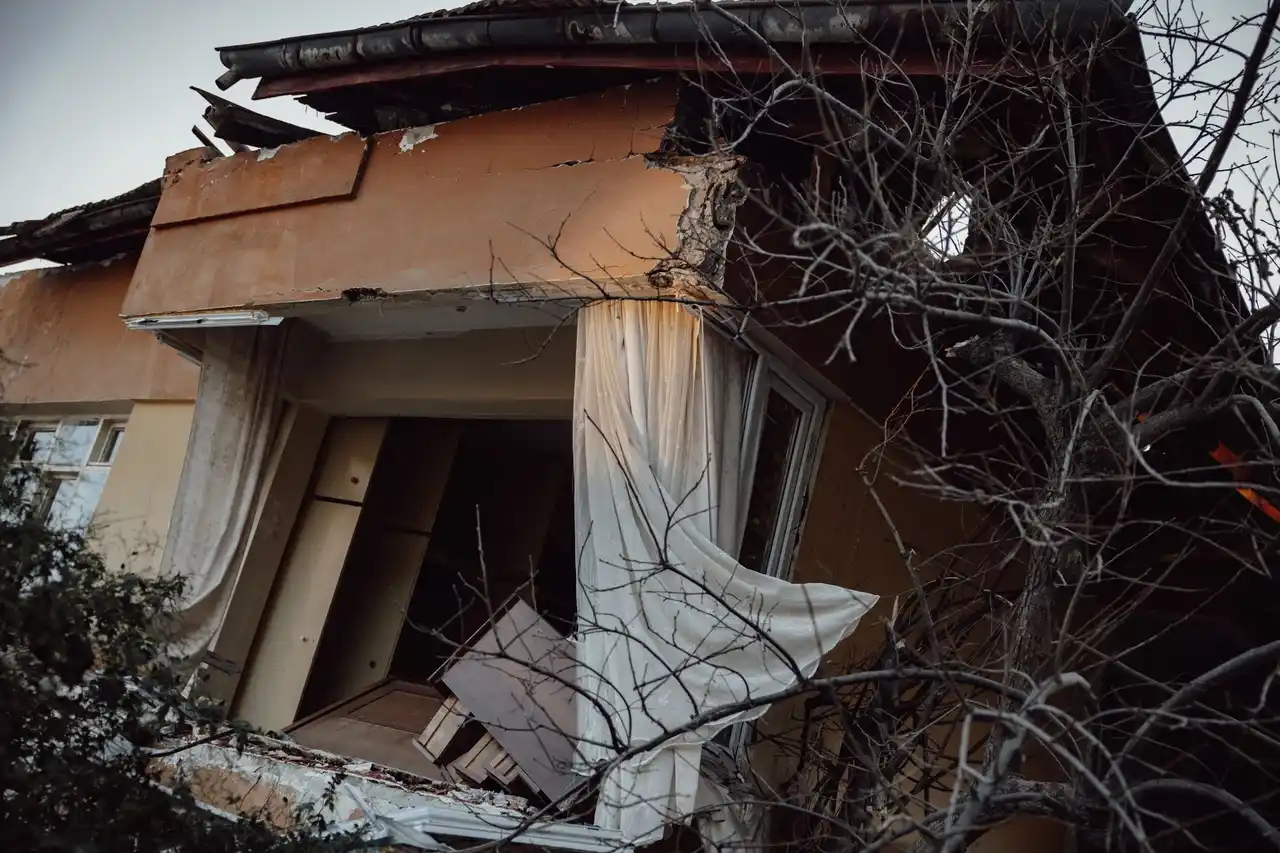
Storm water arrives fast and often from more than one direction, so the damage is wider than the visible wet spot. It also carries ground and roof debris that changes how the cleanup is handled.
Wind-driven rain comes through doors, roof openings, and vents at the same time. We check all three before setting equipment.
Water follows framing and drips away from the entry point. A ceiling stain often means the leak started several feet away.
Storm water raises indoor humidity fast, and wet materials dry slower. Dehumidifiers run longer and readings decide when they come out.
Outside these areas? Call and ask if we can reach you. 8505550125
Most hurricane water damage repair jobs in Pensacola run $1,800 to $6,500 for drying and cosmetic repair, with larger losses above $10,000. The price depends on how many rooms took water, whether carpet padding or drywall has to come out, and how long the structure stays wet. Extraction and drying usually account for 40 to 60 percent of the total, with repair materials and labor making up the rest. We scope the job in Xactimate so you can compare it directly to your insurance estimate.
Call for extraction first, then move valuables and electronics off wet floors and shut off power to flooded rooms at the breaker. Do not run a household vacuum in standing water, and do not pull wet carpet padding yourself because it spreads debris and mold spores. Take photos of every wet item and water line before anything is moved. If the water came through a roof, put a bucket under the drip and stay off the ceiling. A crew can be at your door in 60 to 90 minutes in most of Escambia County.
Pensacola Water Damage Pros offers emergency storm water cleanup in Pensacola FL with crews on call nights and weekends. We answer the phone, ask about the water source and safety, and dispatch a truck with extraction and drying equipment. Typical arrival is 60 to 90 minutes for addresses inside the Pensacola city limits, including East Pensacola Heights and Cordova Park. If a tree opened the roof, we can tarp the opening before extraction starts.
Hurricane water damage is usually covered when the water enters through a storm-created opening like a missing shingle or broken window, and flood insurance handles rising water. Standard homeowners policies often exclude rising flood water, so check whether your policy is a HO-3 or a flood policy through the NFIP. We document the water source, take moisture readings, and provide an Xactimate scope so your adjuster can classify the loss correctly. That documentation is the difference between a paid claim and a denied one.
Water spreads fast after a storm, and every hour counts. Call Pensacola Water Damage Pros and we will dispatch a crew with extraction and drying equipment, document the loss for your insurer, and give you a clear scope before we start. One call gets the water out.
Call 850-555-0125 any time, day or night, and describe what happened. We ask where the water is, whether the source is shut off, and how long it has been running. A crew gets dispatched with extraction and drying equipment, and most Pensacola calls get a team on site within two hours.