Written scope
What we remove, dry, and replace.
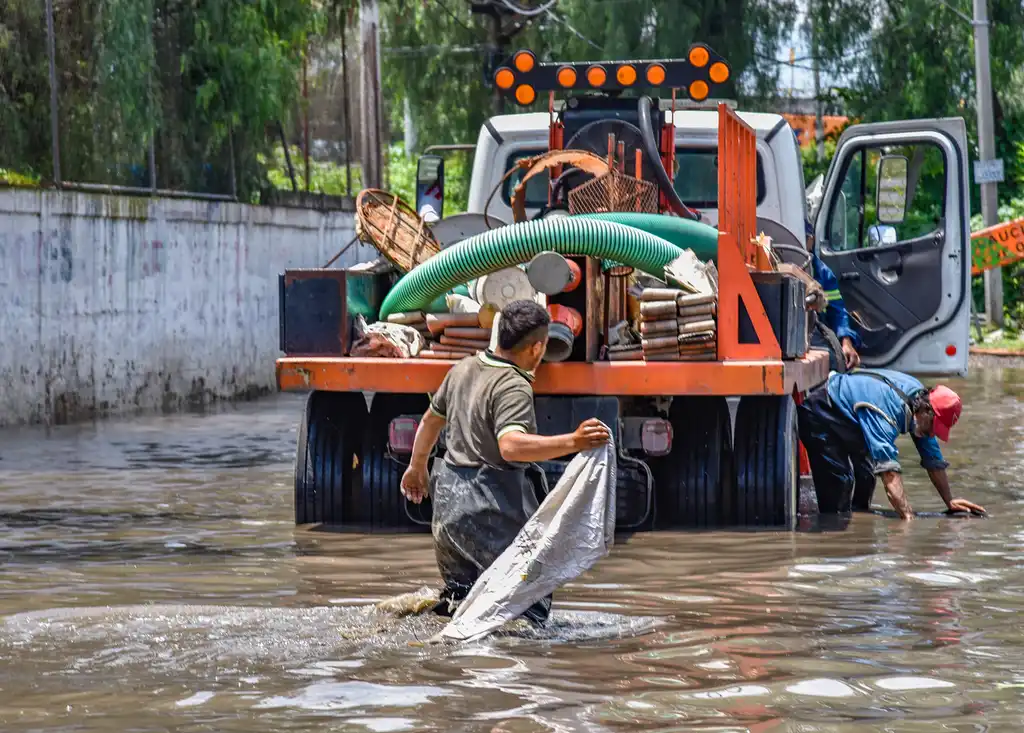
When a toilet backs up, every minute soaks deeper into your subfloor. Toilet Overflow Cleanup Pensacola FL from our team means we pull the standing water, sanitize the mess, and dry the structure before mold takes hold. We handle toilet overflow water removal in Pensacola for homeowners, renters, and property managers across Escambia County, from single bathrooms to multi-unit buildings. Call and we roll.
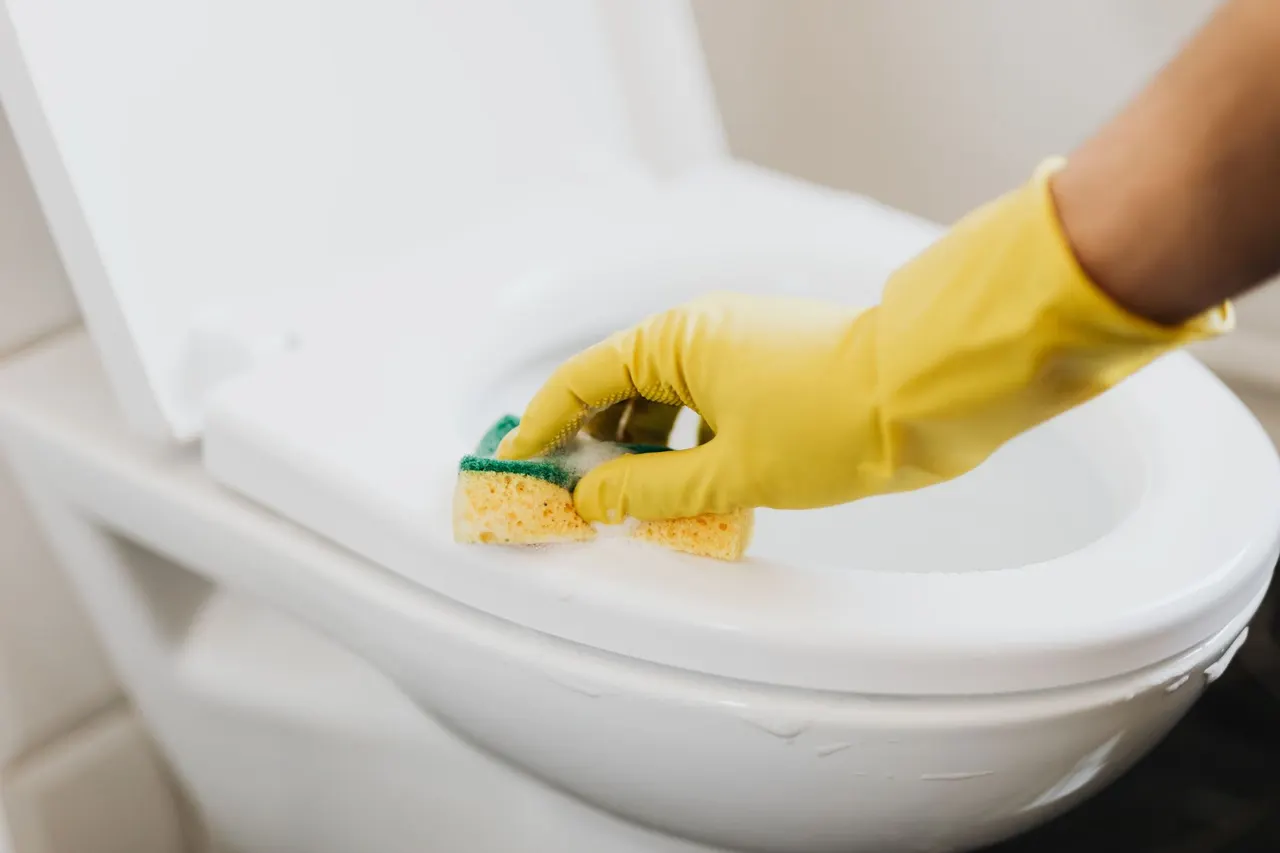
Every job starts with inspection and ends with a drying report. What happens in between depends on whether the water is clean or contaminated and how far it traveled. Here is what is standard on a Pensacola toilet overflow cleanup.
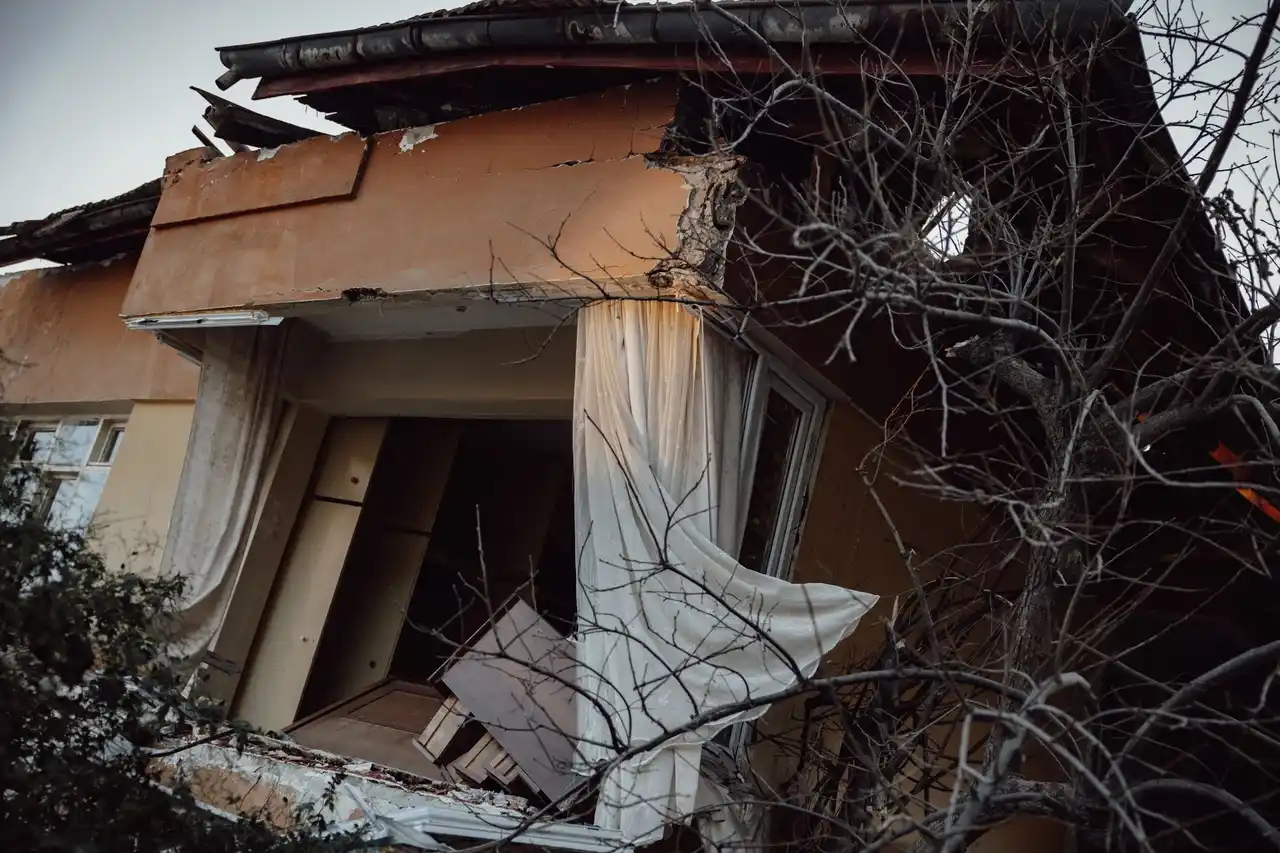
A toilet overflow in your home soaks flooring, baseboards, and sometimes the ceiling below. We extract the water, remove what cannot be saved, and dry the structure so your bathroom is usable again.
A restroom overflow can close a business for the day and put customers at risk. We work around your hours to extract, sanitize, and dry so you can reopen fast.
Toilet Overflow Cleanup Pensacola FL is the process of stopping the water source, extracting standing sewage or supply water, sanitizing contaminated surfaces, and drying the structure so mold never gets a foothold. It is not a mop-and-bucket job. Water from a toilet overflow wicks under baseboards, into carpet padding, and down through the subfloor within minutes. We use moisture meters and thermal imaging cameras to map exactly how far the moisture traveled, then build a drying plan around what we find.
Pensacola homes deal with this more than most. Our humidity sits high most of the year, and older homes in East Hill and North Hill often have cast iron drains that scale shut and back up without warning. A single toilet overflow water damage repair Pensacola Florida job can turn into a mold problem in 24 to 48 hours when the air stays warm and wet. That is why we treat every overflow as urgent, whether it is 2 p.m. on a Tuesday or 2 a.m. on a holiday weekend.
Stop the water, extract it fast, and dry the structure before mold starts.
Every overflow is different, but the sequence is the same. Here is exactly what happens from the moment you call until the last piece of equipment leaves your home.
We ask three questions: is the water still running, is it clean or sewage, and what kind of flooring is wet. That tells us what to bring and whether you need to shut off the supply valve before we arrive. Most calls are answered in under a minute, and we dispatch immediately.
On arrival we confirm the source is stopped, then walk the affected area with a moisture meter and thermal imaging camera. We check the bathroom, the wall behind the toilet, the hallway, and the room below if there is one. You get a clear picture of what is wet and what is not.
Standing water comes out first with a water extraction unit. If the overflow was sewage, we remove contaminated carpet padding, baseboards, and any saturated drywall. We bag and haul it out the same day. Clean-water overflows usually keep the flooring; dirty-water ones usually do not.
We treat affected surfaces with antimicrobial solution, then set air movers and dehumidifiers sized to the room. A typical bathroom gets three to four air movers and one dehumidifier. We check readings daily and adjust equipment until the structure hits dry standard.
When moisture readings match a dry comparison area, we pull the equipment and do a final walk with you. You get a drying report with daily readings, photos, and the scope of work completed. If any repair is needed, we can handle it or hand it to your contractor.
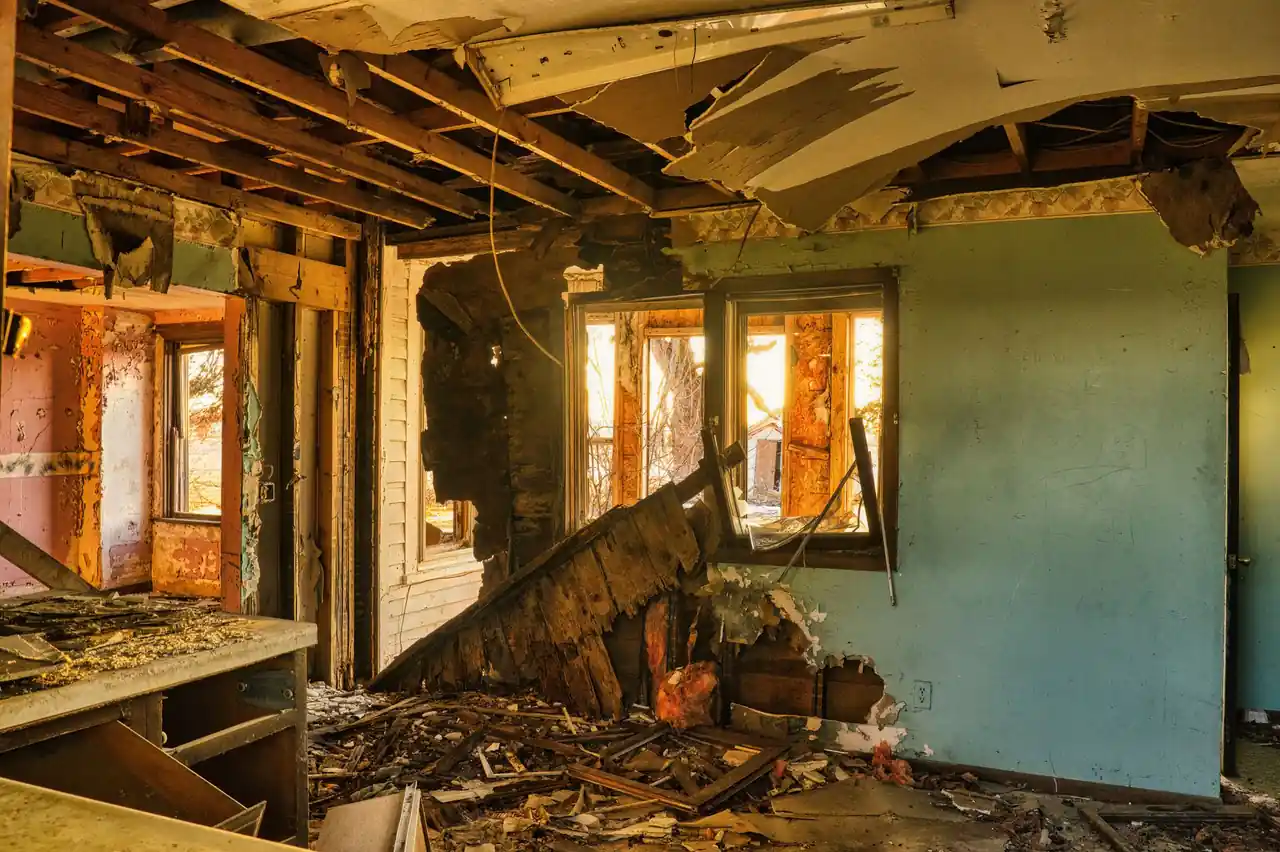
Measures moisture content in drywall, subfloor, and framing, and tracks relative humidity in the air. We use readings to decide when drying is complete.
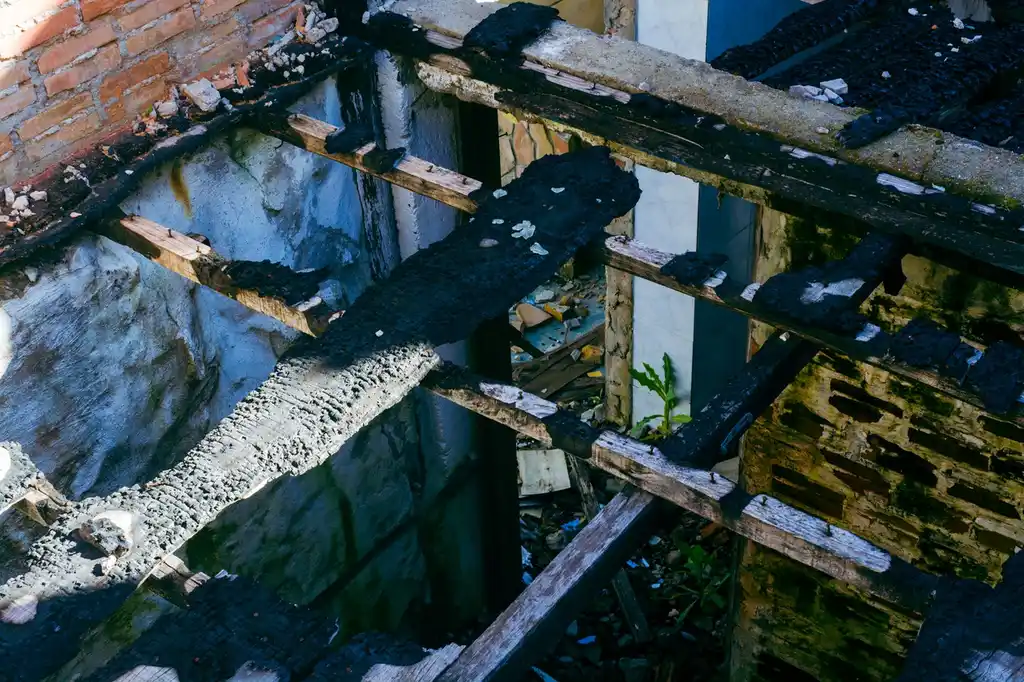
Shows temperature differences behind walls and under floors, revealing hidden moisture without tearing anything open. We use it on every inspection.
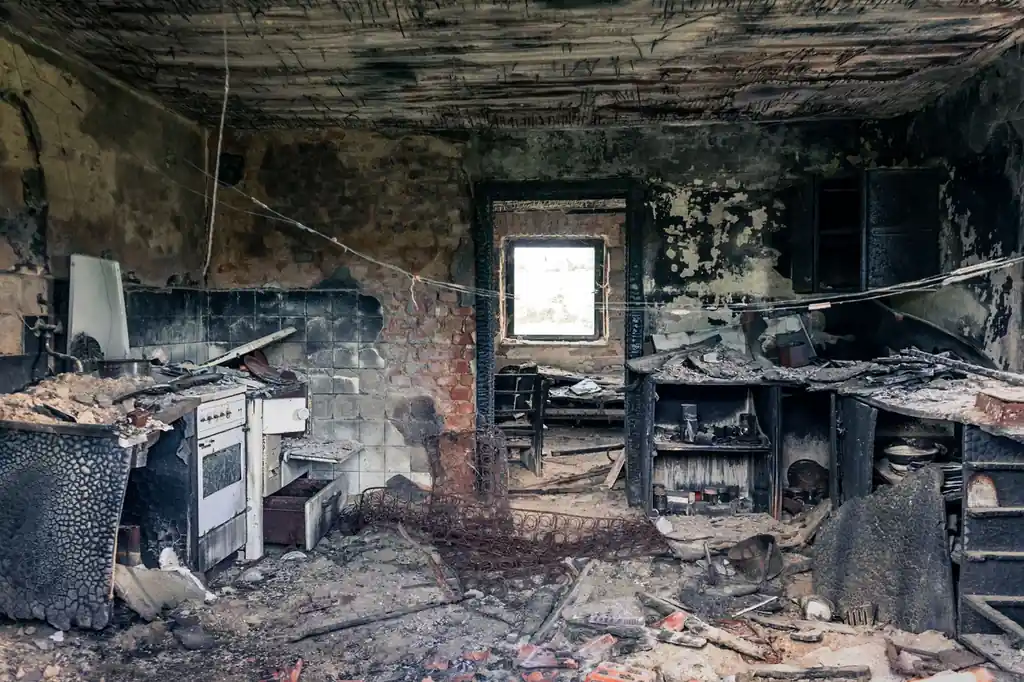
Lets us look inside wall cavities and under cabinets to confirm whether water reached areas we cannot see from the surface.
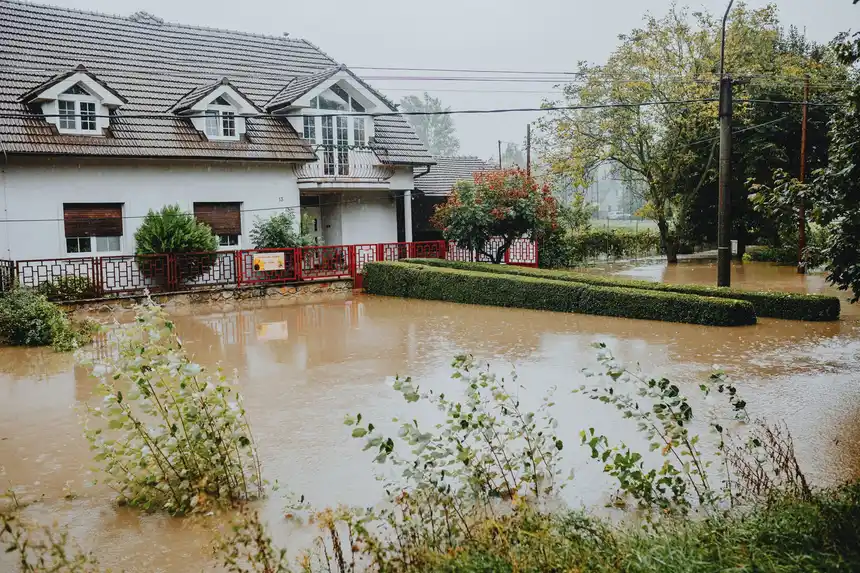
Pulls standing water from carpet, tile, and subfloor. We use truck-mounted and portable units depending on access and water volume.
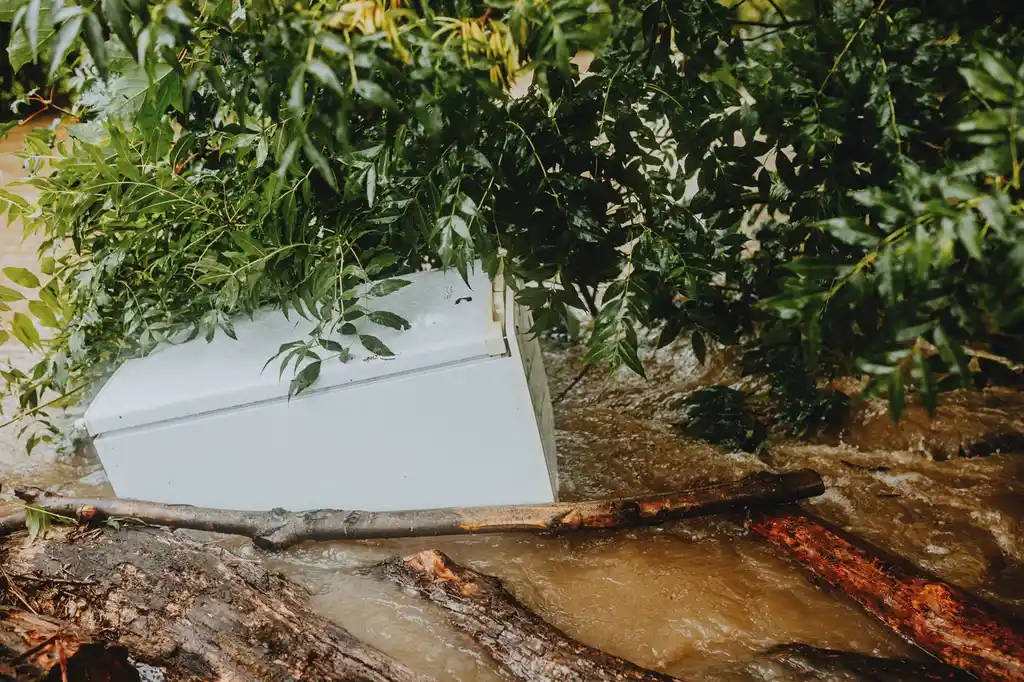
Air movers evaporate moisture from wet materials while dehumidifiers pull that moisture out of the air. Together they dry the structure.
Filters airborne particles and spores during and after sewage-contaminated cleanup. Essential on Category 3 losses.
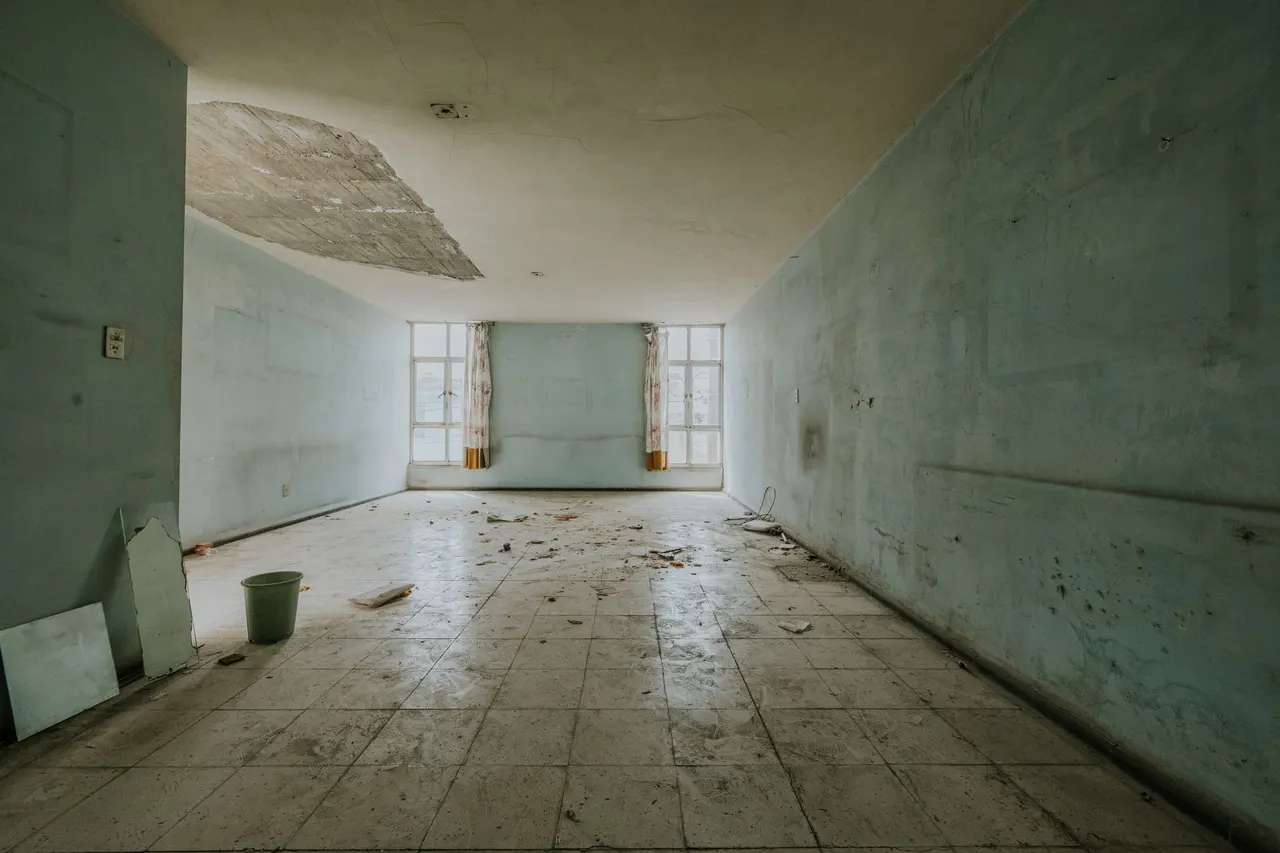
Neutralizes odors left behind after sewage overflows once the space is dry and unoccupied.
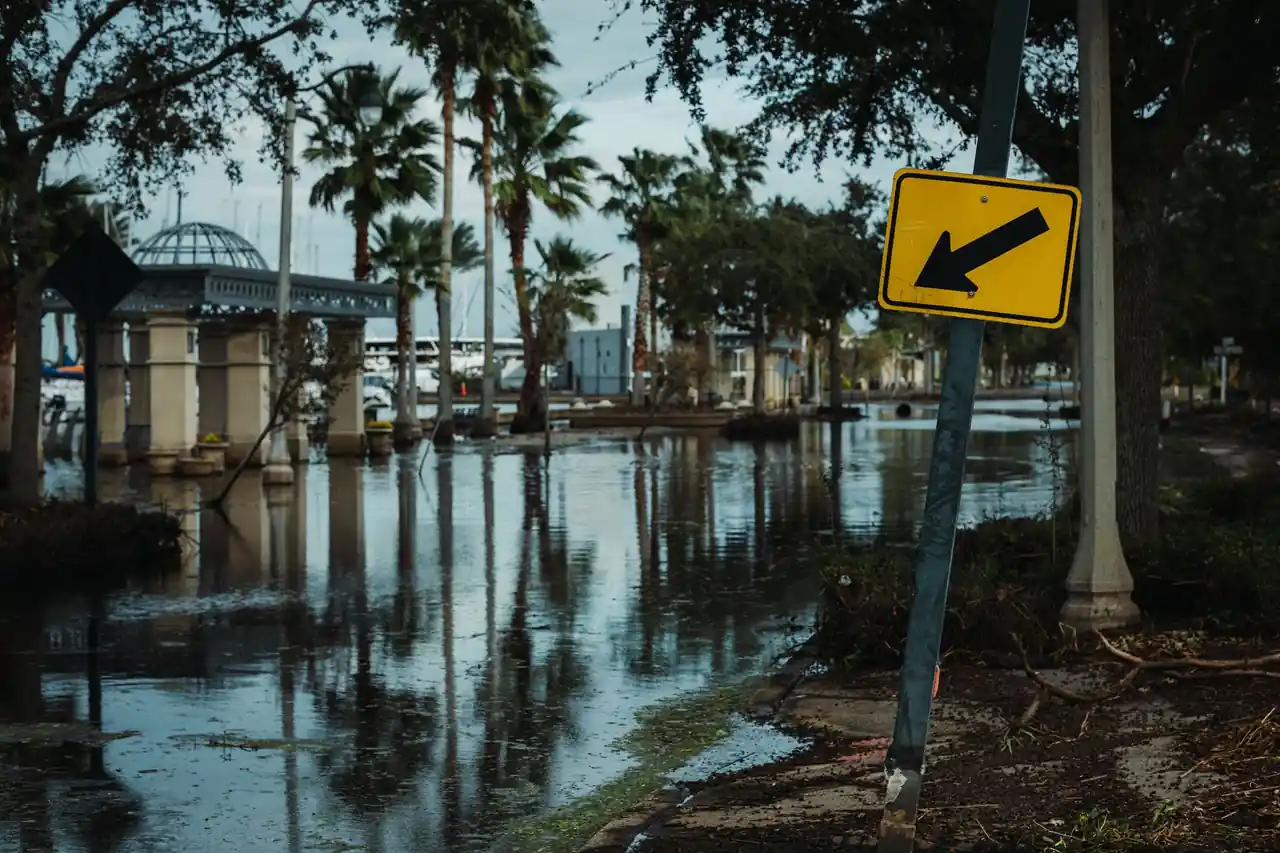
This is the industry standard for water damage restoration. It tells us how to classify the water, how much equipment to place, and what moisture targets define a dry structure. We follow it on every job.
We extract the standing water, pull the wet carpet padding, and set drying equipment in the bathroom and hallway. Moisture readings are logged daily until both areas hit dry standard. Flooring is dry in three to four days, carpet is saved, and no mold develops in the hallway or adjacent closet.
We shut off the supply, extract water from the bathroom and the room below, and dry the wall cavity where the line failed. The plumber repairs the line while we dry. Structure is dry in four days, the ceiling below is repaired, and the bathroom is back in use within a week.
We close off the restroom, extract the water, sanitize the floor, and set drying equipment after hours so the business stays open. Documentation goes to the property manager the same day. Restroom is dry and sanitized within 48 hours, and the insurance claim is filed with full documentation.
We treat it as a Category 3 loss, remove contaminated baseboards and flooring, sanitize the framing, and dry the structure. We also document the drain issue for the plumber. Bathroom is sanitized and dry in four days, and the plumber has the documentation needed to address the drain.
Pensacola's climate makes toilet overflow cleanup different from drier parts of Florida. Summer humidity sits above 70 percent for months, which slows evaporation and gives mold a head start. Winter brings its own problem: the occasional hard freeze can crack a supply line behind a toilet, and the water runs until someone notices. Building stock matters too. Homes in East Hill, North Hill, and Seville Square Historic District often have original cast iron drains and pier-and-beam foundations. Overflow water can run through the floorboards into the crawl space, where it stays wet and feeds mold. Slab-on-grade homes in Cordova Park and Scenic Heights hide moisture inside the slab and under vinyl flooring. We adjust our drying plan to the construction. On a pier-and-beam home, we check the crawl space with a moisture meter and may need a sump pump to remove water below the floor. On a slab home, we use desiccant dehumidifiers to pull moisture out of dense materials. If you need 24/7 toilet overflow water removal in Pensacola, Florida, we bring the right equipment for your foundation type, not a one-size-fits-all setup.
An upstairs toilet overflowed overnight and water ran through the floor into the ceiling below. The bathroom floor was covered in standing water, the hallway carpet was soaked, and a ceiling stain was spreading in the dining room.
We extracted 15 gallons of standing water, removed wet carpet padding, opened the ceiling below, and dried the joists and subfloor. Moisture readings hit dry standard in four days. The ceiling was repaired and repainted to match.
Replace the toilet supply line every five years and check the shutoff valve twice a year. A $12 line prevents a $3,000 repair.
A cast iron drain backed up and sent sewage across the bathroom tile and into the hallway. The baseboards were saturated, the flooring was contaminated, and the smell had spread through the first floor.
We removed contaminated baseboards and flooring, applied antimicrobial solution to the framing, ran air scrubbers for 48 hours, and dried the structure in four days. Ozone treatment removed the remaining odor.
Have the drain scoped every two years. Cast iron scales from the inside, and a camera inspection catches blockages before they back up.
A restaurant restroom toilet overflowed during lunch service. Water spread across the tile floor and into the hallway leading to the dining room. The manager needed the restroom back in service by the next morning.
We extracted the water, sanitized the floor, and set drying equipment after closing. Moisture readings were dry by the next morning, and the restroom reopened for business. Documentation went to the property manager the same day.
Install water alarms under restroom sinks and behind toilets. A $30 alarm catches a slow leak before it becomes a closed-restroom problem.
A toilet overflow is rarely just a wet floor. It is a chain reaction that starts with water and ends with mold, warped subfloor, and a denied insurance claim if nobody documents it properly. Here is what we stop.
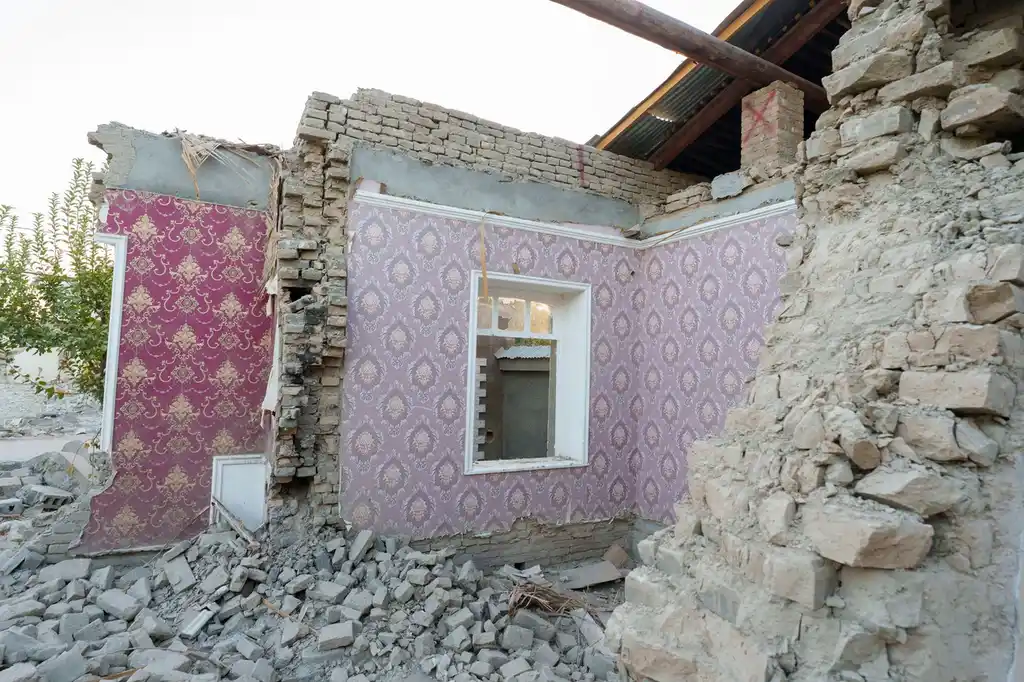
We use thermal imaging and a borescope camera to find hidden moisture, then dry the wall cavity with directed air movers. If drywall is saturated, we remove the bottom 12 inches, dry the framing, and replace it. Trapped moisture behind walls feeds mold growth within 24 to 48 hours, and by the time you smell it, remediation costs have tripled.
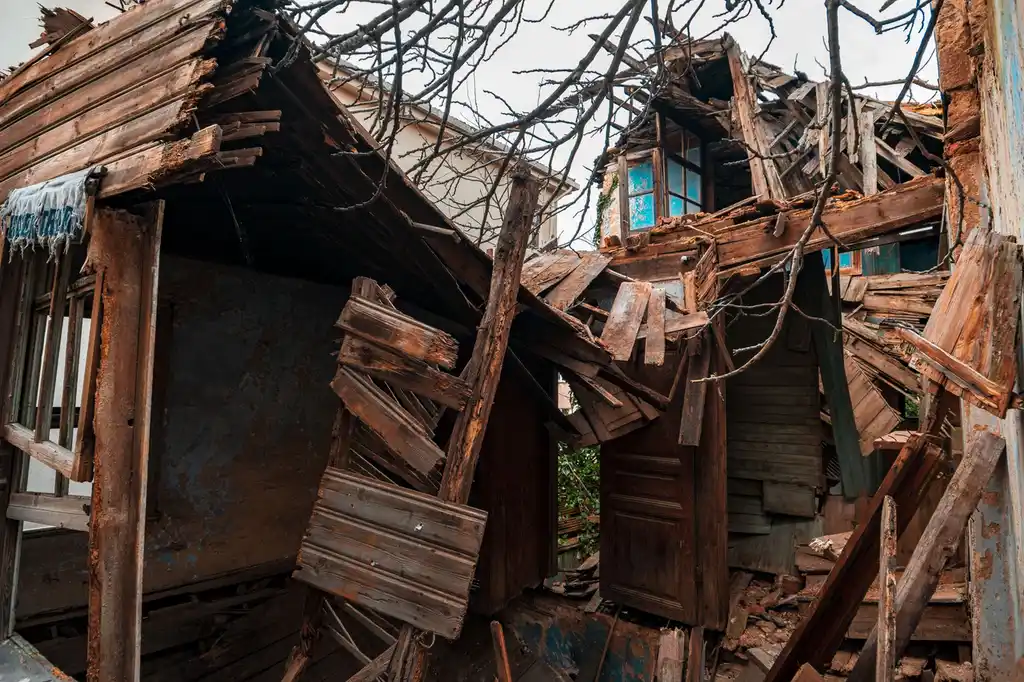
We treat sewage overflows as Category 3 losses. Contaminated materials come out, affected surfaces get antimicrobial solution, and air scrubbers run to capture airborne particles. The space is safe before we leave. Category 3 water carries bacteria and pathogens. Walking through it or using a shop vac spreads contamination to other rooms and creates a health hazard.
We pull the carpet back, remove the wet padding, and dry the carpet and subfloor separately. New padding goes down once readings confirm the subfloor is dry. This is standard on every bathroom flood cleanup Pensacola job. Padding acts like a sponge. The carpet surface may feel dry while the pad and subfloor stay wet for weeks, leading to odor and mold.

We trace the water path with a moisture meter, open the ceiling where needed, and dry the joists and insulation. Once dry, we repair the drywall and match the texture so the repair disappears. Water travels along joists and shows up as a ceiling stain in a room far from the bathroom. By then the ceiling drywall and insulation are saturated.
Our water extraction units pull standing water from tile, vinyl, and carpet fast. Most single-bathroom overflows are extracted within the first hour on site, which stops the water from spreading into hallways, closets, and adjacent rooms. The sooner the bulk water is gone, the sooner we can start drying.
Mold can begin colonizing wet drywall and insulation in as little as 24 hours. We apply antimicrobial solution to affected framing and baseboards, then run air scrubbers to capture airborne spores. That one-two punch is what keeps a small bathroom flood cleanup Pensacola job from becoming a full remodel.
We place air movers and dehumidifiers, then check moisture readings every day with a hygrometer. You get the numbers in writing so you can see the floor drying, not just take our word for it. Typical dry-out runs three to five days depending on materials and how long the water sat.
We document the loss with photos, moisture maps, and an Xactimate estimate that most carriers accept without argument. That means fewer back-and-forth calls for you and a faster claim decision. We have walked hundreds of Pensacola FL toilet overflow restoration claims through the process.
Clear records you can keep and share.
What we remove, dry, and replace.
Readings from every monitoring visit.
Final readings and photos for your records.
Not all toilet overflow water is the same. Clean water from the tank is treated differently than waste water from the bowl, and the difference affects what we remove and how we dry.
Water from the tank is Category 1 and can often be dried in place. Water from the bowl with waste is Category 3 and requires removal of contaminated materials. Knowing which one you have changes the entire scope.
Carpet padding holds water like a sponge and rarely dries completely. We pull the padding, dry the carpet and subfloor separately, and install new padding once readings confirm the floor is dry.
Mold can start growing on wet drywall and framing in 24 to 48 hours. Extraction and drying within that window is what prevents a cleanup job from becoming a remediation job.
Outside these areas? Call and ask if we can reach you. 8505550125
Most residential toilet overflow cleanups in Pensacola run $350 to $1,200, with sewage backups and larger affected areas pushing toward $2,500 or more. The biggest cost drivers are water category, square footage affected, and whether flooring or drywall has to come out. We provide a written scope before work begins so there are no surprises.
Shut off the supply valve behind the toilet, stop flushing, and keep people out of the water. If the bowl is overflowing from a clog, do not run water anywhere else in the house. Call us at 850-555-0125 and we will walk you through the next steps while a crew is dispatched. Do not use a shop vac on sewage water.
Our IICRC-trained technicians handle toilet overflow water extraction Pensacola FL, including sewage-contaminated water that requires Category 3 protocols. We extract standing water, remove saturated materials, sanitize, and dry the structure. We also document the loss for your insurance claim and can coordinate directly with your adjuster.
Most homeowners policies cover sudden toilet overflow damage, including water extraction, drying, and repairs. The common exception is long-term seepage you knew about and ignored. We photograph everything, log moisture readings, and provide an Xactimate estimate most carriers accept, which speeds up your claim and reduces the chance of a dispute.
We answer the phone around the clock and dispatch a crew with extraction and drying equipment already loaded. Call 850-555-0125 and we will walk you through shutting off the water while we head your way. Written scope before we start.
Call 850-555-0125 any time, day or night, and describe what happened. We ask where the water is, whether the source is shut off, and how long it has been running. A crew gets dispatched with extraction and drying equipment, and most Pensacola calls get a team on site within two hours.