Written scope
Room-by-room work list before we start.
Wet Carpet Drying Pensacola FL service from our team starts with a same-day inspection, because carpet padding that stays wet past 48 hours usually has to be replaced. We pull standing water, lift the carpet, and dry the pad and subfloor with air movers and dehumidifiers. Whether a burst pipe soaked your living room or a toilet overflow hit the hallway, we get the moisture out before mold sets in.
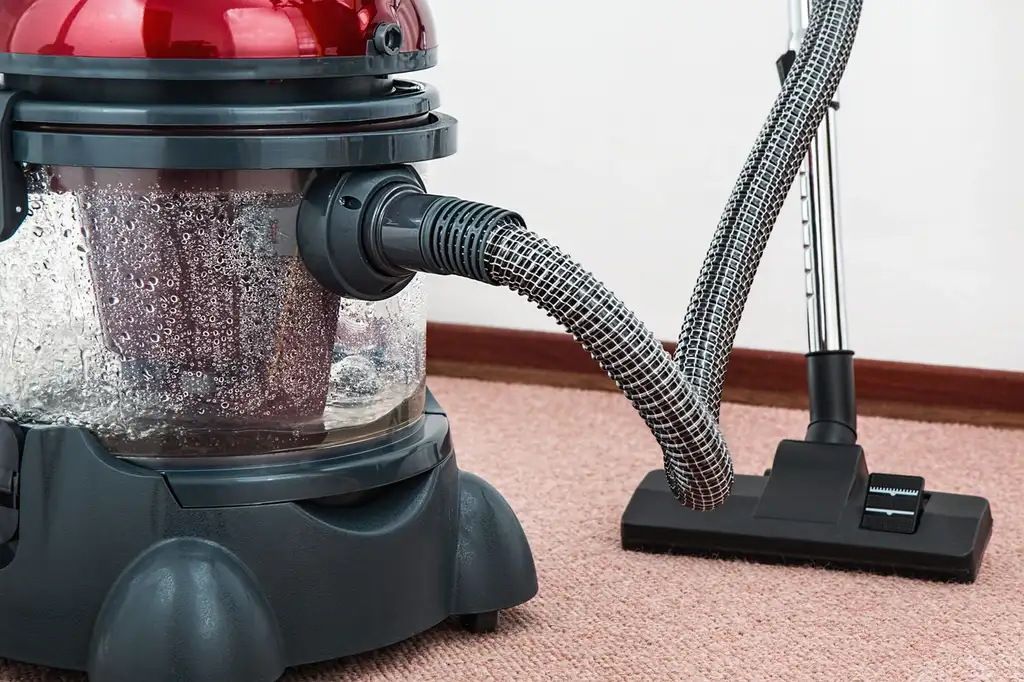
Every wet carpet drying job includes inspection, extraction, drying equipment, and moisture verification. Pad replacement and antimicrobial treatment are added when the job calls for them, and we tell you before we do the work.
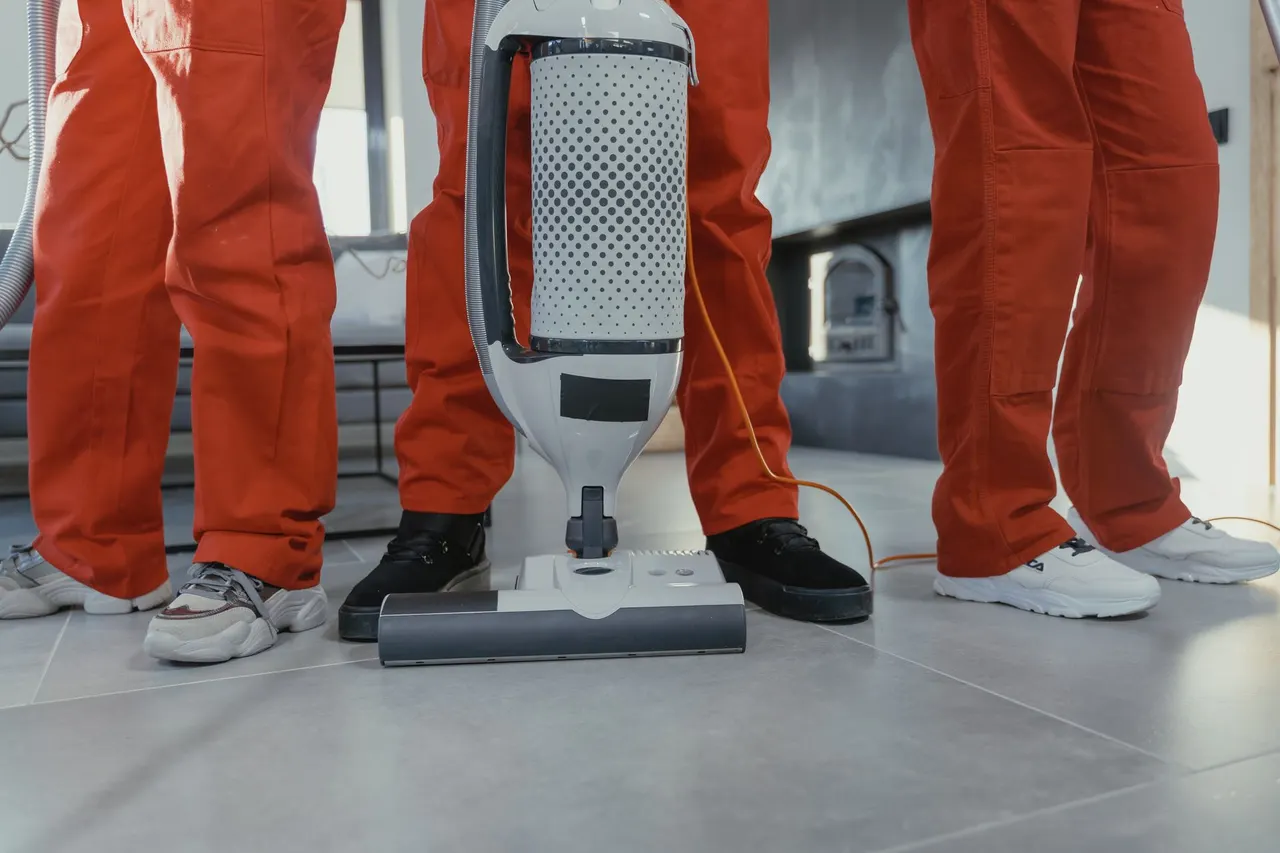
Your carpet and padding trap water where you cannot see it. We extract the standing water, lift the carpet where needed, and dry the pad and subfloor with measured airflow.
Commercial carpet often has glue-down backing that dries differently from residential carpet. We schedule work around your hours and document the scope for your property manager or insurer.
Wet Carpet Drying Pensacola FL is the process of extracting standing water from carpet and padding, then drying both the carpet and the structure underneath it to a measured moisture level. It is not a fan pointed at the floor. We use a moisture meter and a thermal imaging camera to map where the water actually traveled, pull the carpet back where needed, and set drying equipment that moves air across the surface and pulls humid air out of the room.
Pensacola's summer humidity and frequent afternoon thunderstorms make wet carpet a bigger problem here than in drier climates. A roof leak or an appliance leak that would dry out in a day up north can keep carpet padding damp for a week in an Escambia County home. That is why carpet water removal in Pensacola FL has to include dehumidification, not just extraction. If you search for wet carpet drying Pensacola FL near me after a storm, the first 24 hours matter most.
Carpet dries on a schedule, not on a feeling, so we measure before we pull equipment.
Every job follows the same five steps, whether it is one room or an entire floor. You will know what is happening and how long it will take before we start.
We walk the affected rooms with a moisture meter and thermal imaging camera to find the wet perimeter and any hidden moisture under baseboards or in the subfloor. This usually takes 30 to 45 minutes and tells us exactly how far the water traveled.
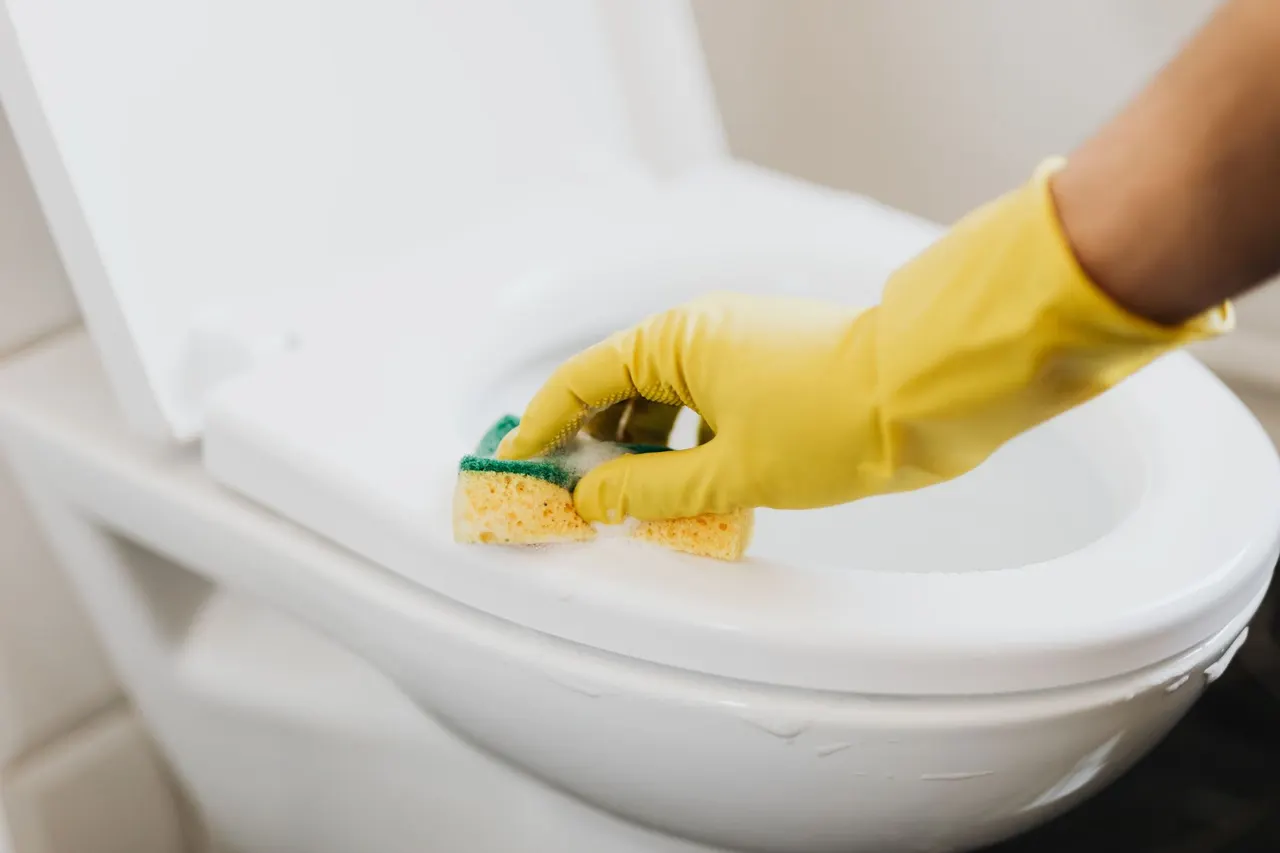
A truck-mounted water extraction unit pulls standing water out of the carpet and pad. For heavier saturation we use a portable extraction unit in tight spaces. Most residential rooms are extracted in one to two hours.
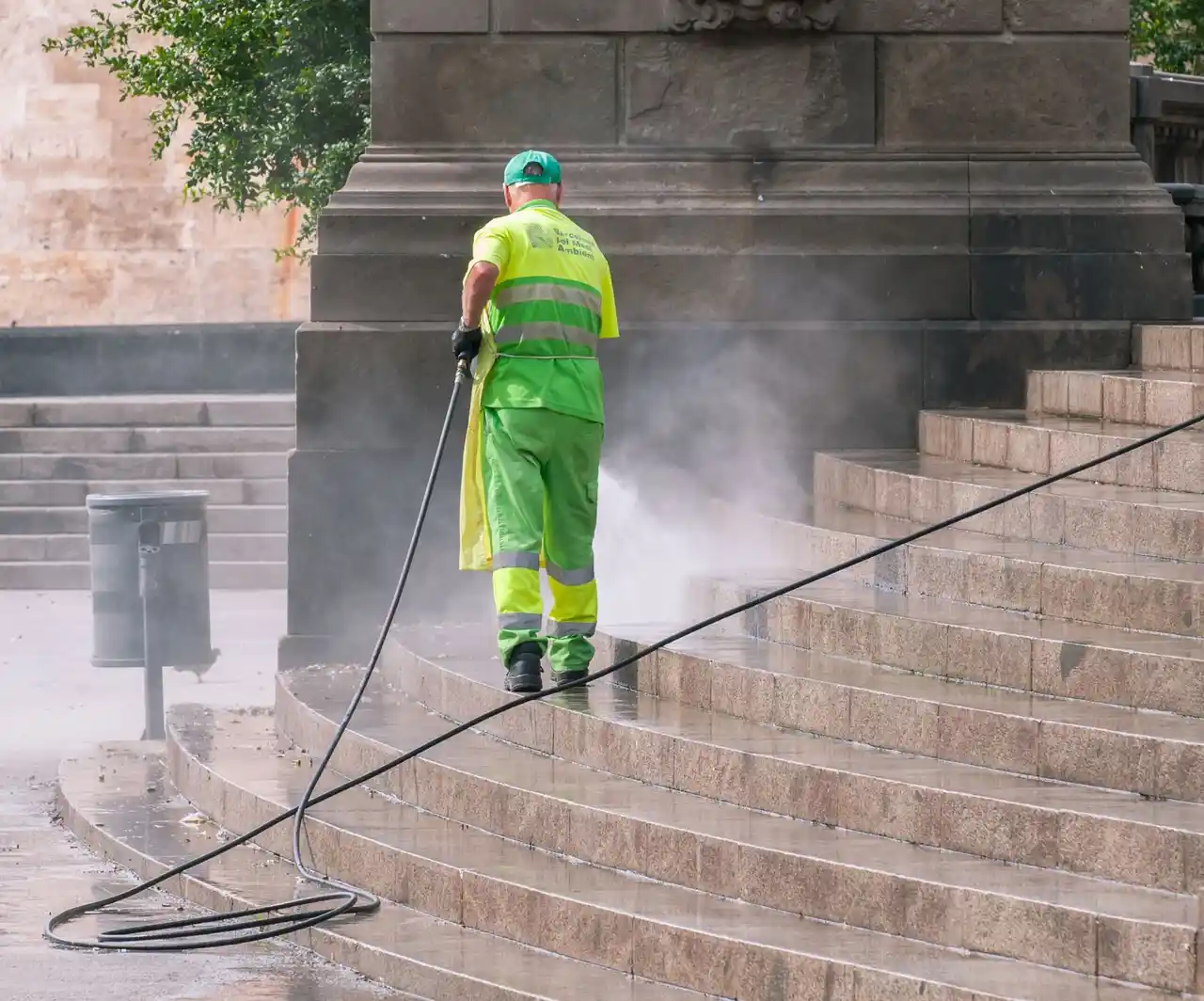
Where padding is saturated, we pull the carpet back, remove the wet pad, and apply an antimicrobial solution to the backing and subfloor. If the pad can be saved, we float it and dry it separately with air movers.
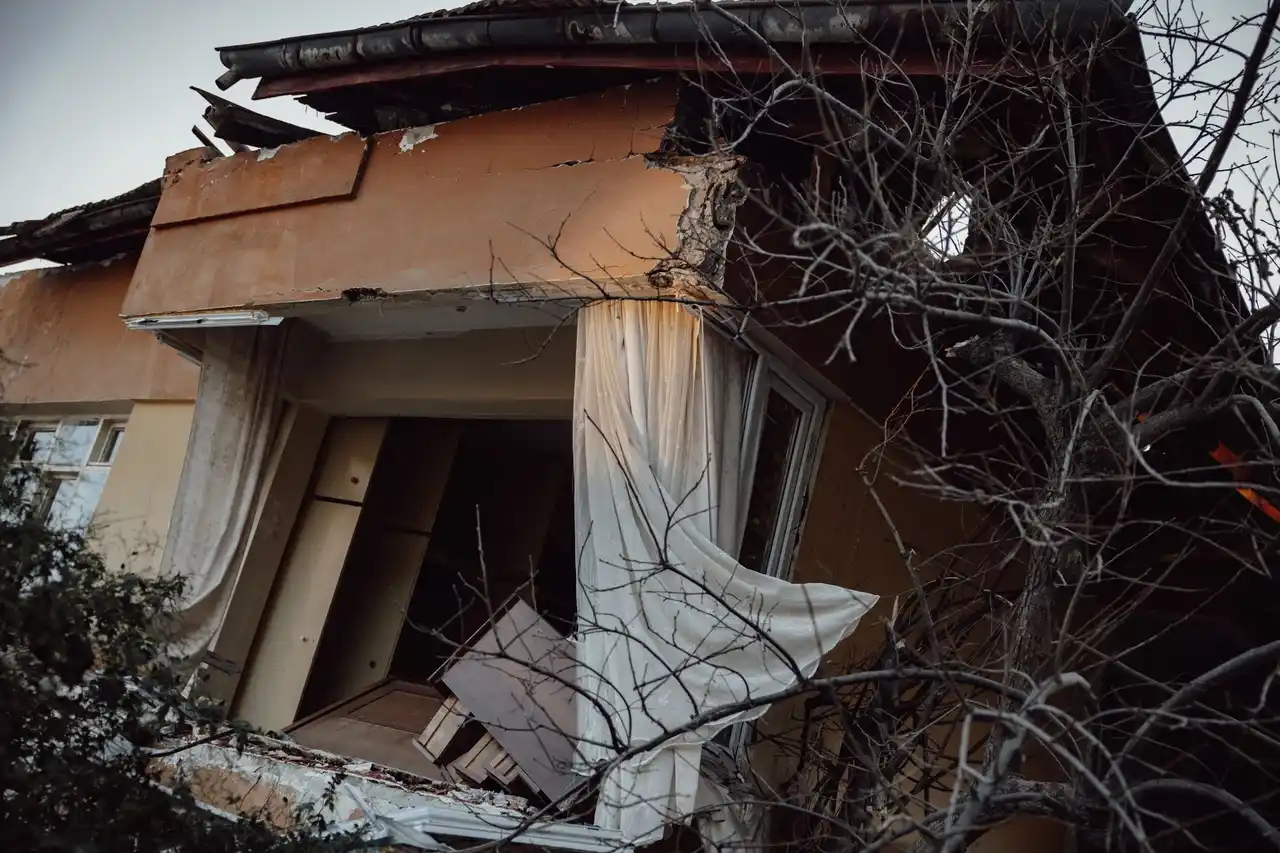
We place air movers around the room and a dehumidifier to pull moisture out of the air. A hygrometer tracks relative humidity, and we adjust equipment placement daily. Most rooms run two to three days of drying time.
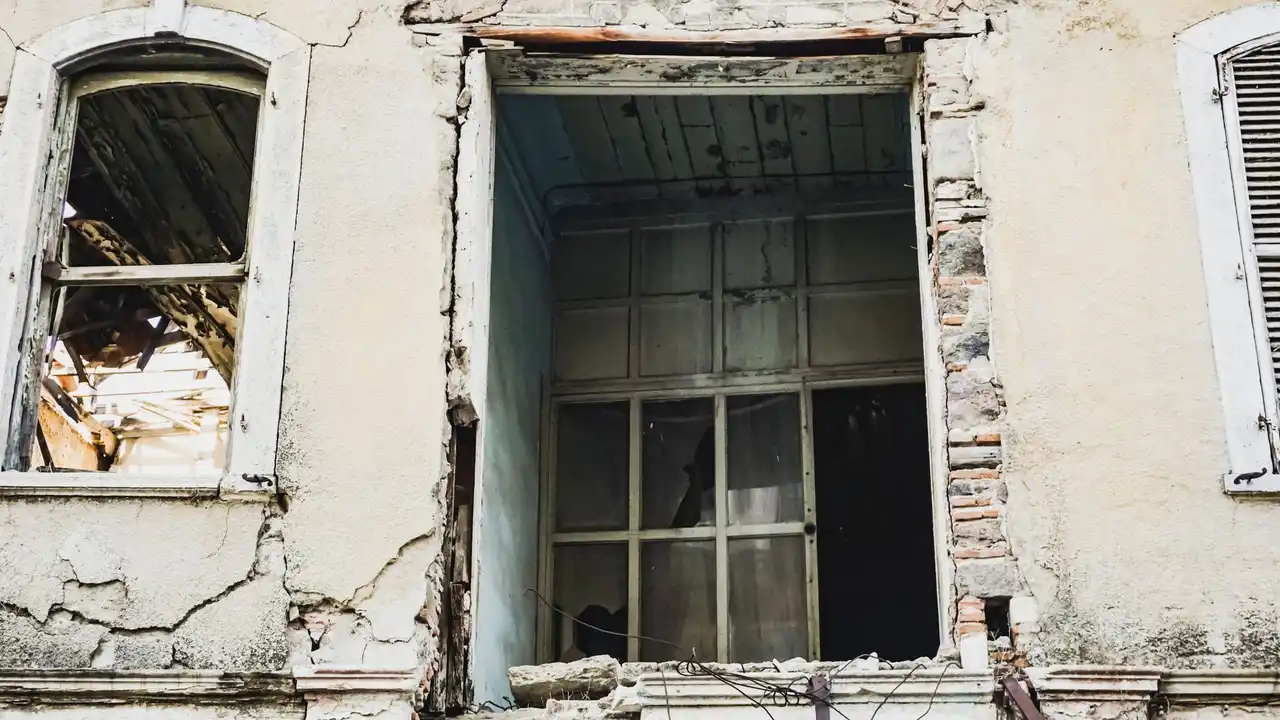
We take final moisture readings and compare them to the dry standard for your home. Once the carpet and subfloor are dry, we reset the carpet, replace the pad if needed, and walk you through the readings before we leave.
Reads the moisture content of carpet, padding, and subfloor. We use it to map the wet area and to confirm the floor is dry before we pull equipment.
Shows temperature differences that reveal hidden moisture behind baseboards, under tile, and around slab leaks. It helps us find water you cannot see.
Pulls standing water out of carpet and padding fast. It removes the bulk of the water before drying equipment goes down, which shortens drying time.

Moves air across the carpet surface to speed evaporation. We place them to create a circular airflow pattern that reaches under the carpet edge.
Pulls moisture out of the air so the carpet can keep releasing water. Without it, the room stays humid and drying stalls.
Tracks relative humidity in the drying chamber. We use it to adjust equipment and confirm the air is dry enough to keep pulling moisture from the carpet.
Lets us look inside wall cavities and under baseboards without cutting drywall. We use it when we suspect water traveled beyond the carpet.
We follow the IICRC S500 standard for water damage restoration, which sets the moisture readings and drying conditions we work toward. It is the reference we use to decide when a carpet and subfloor are actually dry.
We shut off the water if it is still running, extract the standing water from the carpet, pull the wet padding, and set air movers and a dehumidifier in the hallway and laundry room. We check the drywall behind the machine for hidden moisture. The hallway carpet is dry in two to three days, and the padding is replaced without tearing out the whole floor.
We extract the water from the carpet, remove the wet pad, and dry the carpet and subfloor. We also check the ceiling cavity with a borescope camera and dry the drywall from below. The carpet is saved, the ceiling is dried before mold sets in, and the repair is documented for the HOA and insurance.
Because the water is Category 3, we remove the affected carpet and padding, disinfect the subfloor with an antimicrobial solution, and dry the structure. We do not try to save carpet soaked by toilet water. The subfloor is clean and dry, and new flooring can go down without the risk of a sewage smell coming back.
We extract the water, remove the saturated padding, and dry the carpet and subfloor. A moisture meter confirms the plywood subfloor is dry before we reset the carpet. The closet and utility room carpet are dry in three days, and the subfloor does not swell or delaminate.
Pensacola's climate makes wet carpet a different job than it is in drier parts of the country. Summer humidity often sits above 70 percent, which means a dehumidifier is not optional. We run one on every job, even a single room. Older homes in East Hill and North Hill often have pier-and-beam foundations with crawl spaces that hold moisture and push humidity up into the floor system. In those homes we check the crawl space before we call the carpet dry. Newer construction in Scenic Heights and Cordova Park tends to be slab-on-grade, where a slab leak can soak carpet from below and drying the surface does nothing. We use thermal imaging to find those. If you need water damaged carpet drying Pensacola Florida homeowners can schedule fast, we cover Escambia County ZIP codes 32503, 32504, 32501, and 32502. Roof leaks after summer storms are the most common call we get between June and October.
A supply line under a kitchen sink burst in an East Hill home and soaked the carpet in the den. The padding was saturated and the carpet showed standing water in two areas. The homeowner called within an hour.
We extracted the standing water, pulled the wet padding, and set three air movers and a dehumidifier. Moisture readings dropped from 38 percent to 12 percent in three days. The carpet was reset with new padding and no replacement was needed.
Check supply lines under sinks and behind appliances every six months. Replace any line that shows bulging or cracking before it fails.
A summer storm drove rain through a roof leak and soaked the carpet in a back bedroom. The ceiling showed a water stain and the carpet was wet across a 10-foot by 12-foot area. The homeowner had not noticed the leak until the carpet squished.
We extracted the water, removed the wet padding, and dried the carpet and subfloor with air movers and a dehumidifier. The ceiling cavity was checked with a borescope camera and dried. Moisture readings hit the dry standard in four days.
Have the roof inspected after any storm that produces visible ceiling stains. Fix the roof before the next rain to keep the carpet dry.
A toilet overflow sent Category 3 water into the hallway carpet of a North Hill home. The carpet and padding were soaked across a 6-foot by 8-foot area. The water had been sitting for about six hours before the homeowner called.
We removed the affected carpet and padding, disinfected the subfloor with an antimicrobial solution, and dried the structure. The subfloor moisture reading dropped from 28 percent to 10 percent in two days. New flooring was installed on a clean, dry surface.
Watch for slow-flushing toilets and fix them before they overflow. Keep the area around the toilet dry and check the supply line for leaks.
Wet carpet is rarely just a carpet problem. The water came from somewhere, and it is usually sitting in the padding and subfloor where you cannot see it. Here is what we run into most in Pensacola homes.
We pull the carpet back, remove saturated padding, apply an antimicrobial solution to the backing and subfloor, and dry the area with air movers and a dehumidifier. The smell goes away when the moisture source is gone. A musty smell means mold or bacteria is already growing in the padding or backing. Waiting longer makes the contamination spread and can force you to replace carpet that could have been saved.
A moisture meter tells us what the surface does not. We lift the carpet, check the padding and subfloor, and dry or replace the pad based on the readings. We do not call a job done until the meter agrees. Carpet can feel dry on top while the padding underneath is still soaked. That trapped moisture damages the subfloor and creates a mold problem you cannot see until it is expensive.
We check the bottom 12 inches of drywall and the baseboard with a moisture meter and a borescope camera where needed. If the wall is wet, we dry it with directed airflow or set a small dehumidifier in the cavity. Water travels up drywall and baseboards by capillary action. If the carpet is dried but the wall cavity stays wet, mold grows behind the baseboard and the carpet gets wet again.

We use thermal imaging to trace the warm line under the slab and confirm the source. Once the plumber fixes the leak, we extract and dry the carpet and pad. We coordinate with your plumber so the drying starts as soon as the water stops. A slab leak pushes water up through the concrete and into the carpet from underneath. Drying the surface does nothing because the water keeps coming. The leak has to be found first.
Carpet padding is a sponge. Once it is saturated, it rarely dries in place without help. We lift the carpet, extract the pad, and either dry it with air movers or replace it, which costs far less than replacing the whole floor covering.
Mold can begin growing on wet carpet backing and subfloor within 24 to 48 hours in Florida humidity. Our drying process pulls moisture out fast enough to keep the window open. We also apply an antimicrobial solution to the backing and tack strip.
Plywood and OSB subfloor swell and delaminate when water sits on them. A moisture meter reading taken before and after drying tells us whether the subfloor is actually dry, not just dry to the touch. That reading is what protects your floor from a squeak or soft spot later.
We document moisture readings, take photos, and write a scope in Xactimate format so your insurance adjuster sees exactly what was wet and what we did. That documentation is the difference between a claim that moves and one that stalls.
Clear records you can keep and share.
Room-by-room work list before we start.
Daily readings from meter and hygrometer.
Before, during, and after images.
Carpet that is wet from clean water can usually be dried and saved. Carpet soaked by sewage or storm water usually cannot. The difference is the water category, not the carpet.
Supply line leaks and appliance leaks are Category 1. Carpet and padding can often be dried and reused if extraction starts within 24 hours.
Washing machine discharge and toilet overflow without solids are Category 2. Padding usually has to be removed, and the subfloor needs antimicrobial treatment.
Sewage backup and storm surge are Category 3. Carpet and padding are removed, not dried, and the subfloor is disinfected before new flooring goes down.
Outside these areas? Call and ask if we can reach you. 8505550125
Most residential wet carpet drying jobs in Pensacola run $350 to $1,200 depending on square footage and how much padding is affected. A single room with minimal saturation is on the low end. Multiple rooms or Category 2 water pushes it higher. We give you a written scope before we start, and we document everything for insurance if you plan to file a claim.
Yes, if it is dried within 24 to 48 hours and the water was clean. Carpet that has been wet longer than that, or that was soaked by sewage or storm surge, usually has to be removed. We inspect the backing and padding with a moisture meter and tell you honestly whether it can be saved or should be replaced.
Our team does. We handle carpet water removal in Pensacola FL and the drying that follows, including extraction, pad removal, antimicrobial treatment, and equipment setup. We serve East Hill, Cordova Park, Downtown Pensacola, and the surrounding Escambia County neighborhoods. Call and we will schedule an inspection, usually the same day.
Most wet carpet drying jobs take two to four days with equipment running. A lightly wet room with good airflow can dry in 48 hours. A saturated room with foam padding and a slab foundation often takes three to four days. We check moisture readings daily and do not pull equipment until the carpet and subfloor hit the dry standard.
Every hour your carpet stays wet narrows the window to save it. Call us and we will schedule an inspection, usually the same day, and give you a written scope before any work starts. We document everything for your insurance claim.
Call 850-555-0125 any time, day or night, and describe what happened. We ask where the water is, whether the source is shut off, and how long it has been running. A crew gets dispatched with extraction and drying equipment, and most Pensacola calls get a team on site within two hours.