Repair TipsLocal Guides
What to do when a toilet overflows and soaks your bathroom
A toilet overflow can push sewage water under tile and into wall cavities in minutes. Here's the exact order of steps Pensacola homeowners should take.
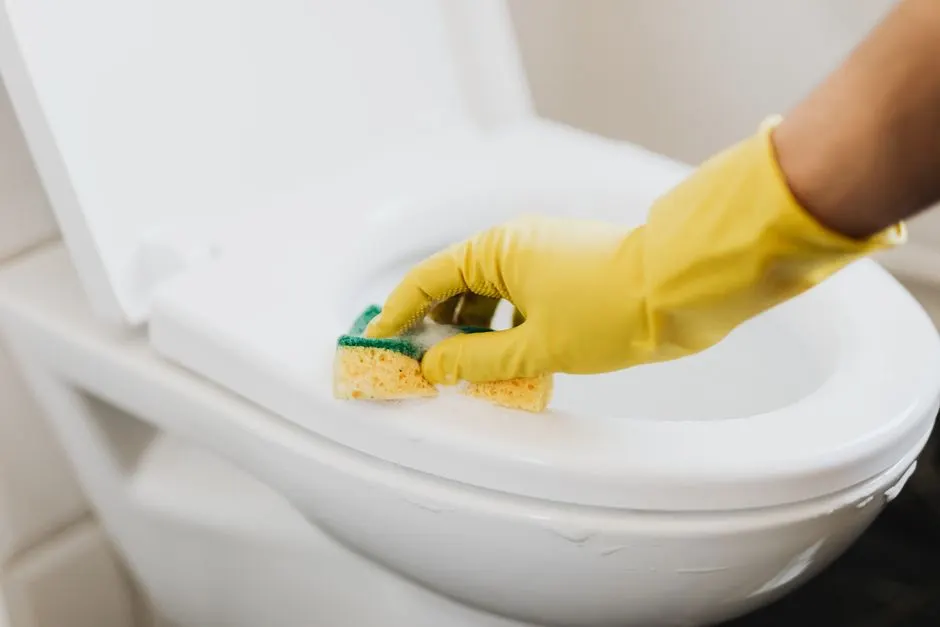
Shut off the supply valve behind the toilet, then lift the tank lid and pull the flapper up so the tank stops refilling. That stops the water in under 30 seconds, and it is the single most important thing you can do when a toilet overflows and soaks your bathroom. Once the flow stops, your next job is keeping that water out of the wall cavity, the subfloor, and the room below. This guide walks through the exact order of steps we use on toilet overflow calls across Pensacola, from the first five minutes to drying out the structure.
The first five minutes: stop the water and stop the spread
Water from a running toilet spreads across a bathroom floor at roughly a gallon every 20 to 30 seconds, which means a standard 12x8 bathroom can be under half an inch of water in about four minutes. Every minute you wait, more of it wicks under the baseboard and into the drywall.
Work in this order:
- Kill the supply. Turn the oval valve clockwise behind the toilet base. If it is frozen or missing, shut the main at the street or at the exterior wall shutoff.
- Stop the refill. Lift the tank lid and hold the flapper down or lift the float arm so the fill valve stops cycling.
- Kill the power to any bathroom outlet within 3 feet of the water at the breaker panel.
- Pull up the bath mat and any rugs and get them outside or onto a hard floor.
- Block the doorway with rolled towels so water does not run into the hallway carpet.
If the overflow came from a clogged main line and the tub or shower is also backing up, you have a bigger problem than a single fixture. That is a sewage cleanup Pensacola FL situation, not a mop-and-bucket job, because the water is carrying waste from the whole system.
Is toilet overflow water clean or contaminated?
Toilet overflow water is almost always Category 3 water under the IICRC S500 standard, which means it is considered grossly contaminated and requires antimicrobial treatment, not just drying. The bowl holds a mix of urine, feces, and toilet paper, and the tank water alone is not clean either.
The one exception is a clean supply-line failure where the bowl was empty and the tank water spilled over the rim. Even then, most of what reaches the floor has touched the bowl interior. Treat it as contaminated unless you watched it happen and know the bowl was clean.
That distinction matters because Category 3 water changes the whole cleanup plan. Porous materials that soak it up, like drywall below the flood line, baseboards, and carpet pad, get removed rather than dried in place. Hard surfaces get cleaned and disinfected with an EPA-registered product. If you only towel-dry the floor and run a box fan, you are leaving bacteria in the seams and setting up a mold problem that shows up in two to three weeks.
How to clean up toilet overflow water yourself
You can handle a small, contained spill on tile or vinyl if the water never reached the wall or the room below. Anything past that point needs extraction equipment you do not have in a closet.
For a small spill:
- Put on rubber gloves and eye protection. Add an N95 if there is visible waste.
- Soak up standing water with old towels, working from the outside of the puddle toward the toilet so you do not spread it.
- Bag the towels in a trash bag and take them outside. Do not run them through your washing machine with other laundry.
- Mix one cup of bleach into a gallon of water, or use a quaternary disinfectant, and wipe every hard surface the water touched, including the base of the toilet and the baseboard face.
- Run a dehumidifier and a fan for at least 24 hours, keeping the bathroom door open.
What you cannot do yourself is pull water out of the subfloor, the wall cavity, or the ceiling below. A wet-vac gets surface water. It does not get the water sitting in the gap between the tile and the plywood, and that is where the damage compounds. For anything beyond a small spill, our Toilet Overflow Cleanup Pensacola FL team extracts the standing water, treats the affected area, and dries the structure with commercial equipment.
What a professional toilet overflow cleanup involves
A professional toilet overflow cleanup in Pensacola runs three to four hours on a typical bathroom job, and the drying phase that follows takes two to four days depending on how far the water traveled. Here is what the work actually looks like.
Extraction and containment
We start with a truck-mounted or portable extractor to pull standing water off the floor and out of the grout lines. If the water reached carpet in an adjacent room or closet, that gets extracted with a weighted wand. We set plastic containment at the doorway if the affected area is large enough to warrant it.
Moisture mapping
We use pin and pinless moisture meters plus a thermal camera to find water you cannot see. A toilet overflow that ran for ten minutes typically wicks 12 to 18 inches up the drywall and travels along the floor joists toward the room below. The thermal camera shows us the wet footprint before we cut anything.
Removal of contaminated materials
Drywall that has absorbed Category 3 water gets cut out 2 inches above the wet line. Baseboards come off. Carpet pad gets bagged and hauled. This is not optional, and it is the step homeowners most often try to skip.
Antimicrobial treatment and drying
We apply an EPA-registered antimicrobial to every affected surface, then set air movers and a commercial dehumidifier. We check moisture readings daily and pull the equipment when the structure reads dry, not when the floor feels dry. If the water made it into the ceiling below, that ceiling gets opened and dried from underneath, which is a ceiling leak repair Pensacola FL job once the drying is done.
What to watch out for after a bathroom flood
The damage from a toilet overflow rarely stops at the bathroom door. Water follows gravity and the path of least resistance, which in a Pensacola home usually means down through the subfloor and into whatever is below.
Watch for these:
- A stain on the ceiling below. This means water traveled through the floor assembly. It needs to be opened and dried, not painted over.
- Cupping or lifting floor tile. Tile does not absorb water, but the thinset and plywood under it do. Loose tiles mean the subfloor is wet.
- A musty smell after three or four days. That is mold starting. Pensacola's humidity, which sits above 70 percent most of the year, gives mold a head start.
- Soft spots in vinyl or laminate. Press down with your thumb. If it gives, the underlayment is compromised.
- A swollen baseboard or bubbling paint. Both mean the drywall behind them is wet.
If you see any of these, the spill was bigger than it looked. Call for a moisture inspection before you decide it dried out on its own.
Does insurance cover toilet overflow damage in Pensacola?
Most Florida homeowners policies cover sudden toilet overflow damage to the structure, but they exclude the cost of fixing the toilet itself and any damage from a slow leak you knew about and ignored. The distinction is sudden and accidental versus gradual.
A toilet that overflows once because of a clog is sudden. A supply line that has been weeping under the vanity for six months is gradual, and that claim usually gets denied. Document everything: photos of the standing water before you clean it, the date and time, and the plumber's or restoration company's report.
Your policy likely covers water extraction, antimicrobial treatment, drywall and baseboard replacement, and drying equipment. It likely does not cover the flapper, the fill valve, or the wax ring. Those are maintenance items. If the overflow was caused by a blocked main line and the water is Category 3 sewage, coverage depends on your specific policy language, so read the water damage section before you assume.
When to call a professional
Call a professional when the water went past the bathroom threshold, when it reached carpet, when it came from a backed-up main line, or when you can see a stain on the ceiling below. Those four situations all mean the water is inside the structure, and no amount of towels and fans will get it out.
We handle toilet overflow water damage in Pensacola every week, from single-bathroom condos downtown to older homes in the historic districts where the plumbing is original. We extract the water, treat the contamination, dry the structure, and put it back together. If you are not sure whether your situation needs a pro, describe it to us and we will tell you straight.
One more thing worth knowing: if your home is in one of the older neighborhoods, the risk profile is different. Homes in Water Damage Restoration in East Hill and the surrounding historic districts often have cast iron drain lines that are 60 to 80 years old, and those lines scale up and back up far more often than modern PVC. A toilet overflow in one of those homes can be the first sign that the main line needs attention.
Frequently Asked Questions
What should I do when a toilet overflows in Pensacola FL?
Shut off the supply valve behind the toilet and lift the flapper to stop the tank from refilling. Then cut power to nearby outlets, pull up rugs, and block the doorway so water does not reach the hallway. Call for extraction within the first hour if the water went past the bathroom threshold.
How do I clean up toilet overflow water in Pensacola Florida?
For a small spill on hard flooring, wear gloves, soak up the water with towels, bag them, and disinfect every surface with a bleach solution or quaternary disinfectant. Run a dehumidifier for 24 hours. If the water reached carpet, drywall, or the room below, it needs professional extraction and antimicrobial treatment.
Who handles toilet overflow cleanup in Pensacola FL?
Licensed water damage restoration companies handle it. We extract the standing water, remove contaminated drywall and pad, apply EPA-registered antimicrobial, and dry the structure with commercial dehumidifiers. A plumber handles the fixture itself if the toilet needs repair or replacement.
Does insurance cover toilet overflow damage in Pensacola?
Sudden overflow damage to the structure is usually covered. The toilet repair itself and damage from a slow leak you knew about are typically excluded. Photograph the water before cleanup and keep the restoration report. Category 3 sewage claims depend on your specific policy language.
How to prevent toilet overflows in Pensacola homes?
Replace the flapper and fill valve every five years, never flush wipes or paper towels, and have your main line jetted every two to three years if your home has cast iron drains. A $15 flapper is cheaper than a $2,000 bathroom flood. Watch for slow drains and a rising bowl as early warnings.
Get help with Water Damage Restoration in Pensacola
If your bathroom is wet right now, we can be there today to extract the water, treat the contamination, and start drying before mold gets a foothold. Call Pensacola Water Damage Pros at 850-555-0125 and we will walk you through the first steps while we are on the way.