Repair TipsLocal Guides
How to Dry Out Wet Carpet After a Water Leak
Wet carpet after a leak? Here's exactly how to dry it, how long it takes in Pensacola's humidity, and the point where DIY stops working.
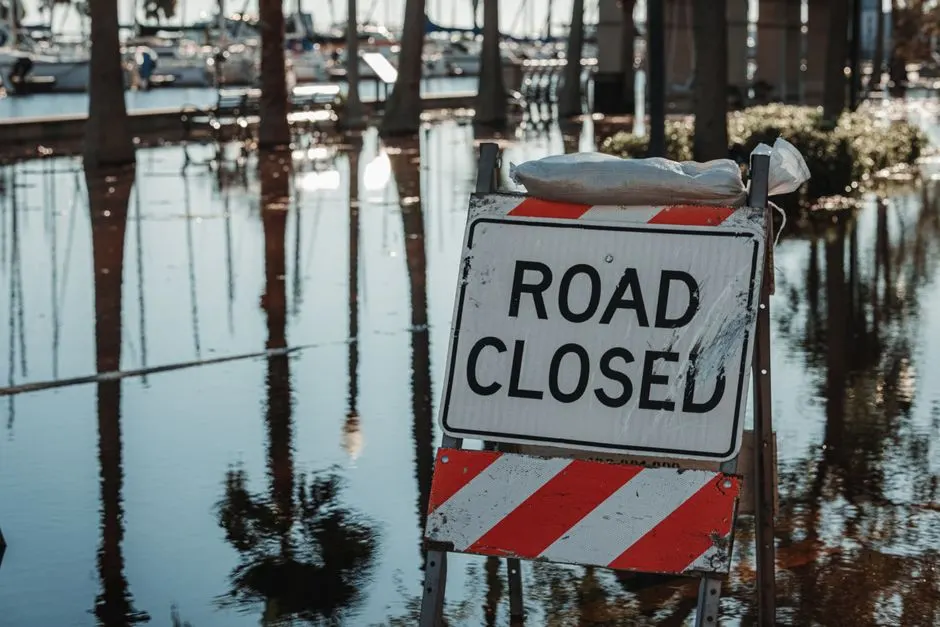
Drying wet carpet after a water leak means three things done fast: extract the standing water, lift the carpet off the pad, and force dry air underneath it. If you do all three within the first 24 hours, most synthetic carpets in Pensacola survive. If you wait past 48 hours, you are usually replacing pad and treating for mold.
We have pulled wet carpet out of homes from East Hill to Cordova Park after everything from a failed supply line to a hurricane surge, and the difference between a $400 drying job and a $4,000 replacement almost always comes down to the first day. Here is the full sequence, the drying times you should expect in our humidity, and the point where DIY stops working.
How to Dry Out Wet Carpet After a Water Leak: The Short Answer
Wet carpet drying is the process of removing standing water, separating the carpet from its pad, and running air movers and dehumidifiers until the carpet, pad, and subfloor all read dry on a moisture meter. It is needed any time carpet has been wet for more than a few minutes, because the pad underneath acts like a sponge and will not dry on its own.
Here is the sequence in order:
- Shut off the water source and cut power to any wet outlets.
- Vacuum up standing water with a wet/dry shop vac or a carpet water extraction machine.
- Pull the carpet up along one wall and remove the wet pad.
- Run air movers pointed at the carpet backing and a dehumidifier in the room.
- Check moisture daily with a meter until the carpet and subfloor read dry.
That is the whole job. The rest of this article is the detail that decides whether it works.
Step 1: Stop the Water and Kill the Power
Stopping the water and killing the power are the two things you do before you touch a towel, because every minute of active leaking adds roughly a gallon of water per minute to the problem. A half-inch burst supply line can dump 8 to 10 gallons a minute into a room.
Find the shutoff. For a sink or toilet, it is the angle stop under the fixture. For a washing machine, it is the valve behind the unit. For a water heater, it is the cold inlet on top of the tank. If you cannot find it, shut off the main at the street or at the exterior wall.
Then kill the power. Water and live outlets do not mix, and carpet hides both. If the wet area touches a wall with outlets, trip the breaker for that room before you walk on it in socks. If the breaker panel itself is in a wet area, do not go near it - call us and we will handle it.
Once the water is off, note where it came from. Appliance failures, supply lines, and drain backups all need different cleanup afterward, and a Water Extraction Pensacola FL crew can tell you in five minutes whether you are looking at clean water or something that needs sanitizing.
Step 2: Extract Standing Water Before You Dry Anything
Extraction comes before drying, always, because air movers blowing across standing water just spread it around the room. You want the carpet damp to the touch, not squishy underfoot, before you ever plug in a fan.
What you need:
- A wet/dry shop vac with a wide floor nozzle, or a rental carpet cleaner with a suction-only mode.
- Rubber gloves and old shoes you do not mind ruining.
- A moisture meter - a $30 pin meter from any hardware store is enough for a homeowner.
Work in overlapping passes from the far corner toward the door, and empty the tank often. A 6-gallon shop vac fills in about 90 seconds on a soaked carpet. Keep going until you can press a dry paper towel into the carpet and pull it up without a wet mark.
If the water came from a toilet overflow, a washing machine drain, or any backup that smells like sewage, stop here. That water is Category 2 or Category 3 and needs a Sewage Backup Cleanup Pensacola FL crew with disinfectant, not a shop vac and a fan.
Step 3: Lift the Carpet and Dry the Pad
Lifting the carpet off the pad is the step most homeowners skip, and it is the reason so many DIY drying jobs fail. The pad under your carpet is 6 to 8 pound rebond foam, and it holds water like a sponge for days. Air cannot reach it through the carpet backing.
Here is how to do it without wrecking the carpet:
- Pull the carpet back from the nearest wall using a pair of pliers on the tack strip edge.
- Roll the carpet back in 3 to 4 foot sections until you expose the wet pad.
- Cut the wet pad out and bag it. Wet pad almost never dries well enough to reuse, and it costs about $0.60 to $0.90 per square foot to replace.
- Point an air mover at the exposed subfloor and another at the carpet backing.
If the carpet has a thick, glued-down backing or it is a wool or Berber weave, pulling it up can damage it. In those cases, we use a Structural Drying Pensacola FL setup with floor mats that pull air under the carpet without removing it.
One more thing: check the subfloor. If it is plywood and it has been wet for more than a day, it will start to delaminate. If it is concrete slab - common in Downtown Pensacola and Belmont-DeVilliers - it will hold moisture for weeks and needs a dehumidifier running the whole time.
Step 4: Move Air and Pull Moisture Out of the Room
Air movement alone does not dry carpet - you need air movement plus dehumidification, because Pensacola's outdoor air is already carrying 75 to 85 percent relative humidity most of the year. Blowing that air across a wet floor just re-wets it.
Close the windows. Close the doors to the rest of the house. Then set up:
- One air mover per 10 to 15 square feet of wet carpet, angled at a shallow 15 to 20 degrees so air gets under the carpet edge.
- A refrigerant or desiccant dehumidifier sized to the room - a 70-pint unit for a single bedroom, a 150-pint unit for an open living area.
- A box fan in the doorway to keep air moving between rooms, not out of them.
Run the setup continuously, not on and off. Every time you shut the dehumidifier down, the carpet wicks moisture back up from the pad and subfloor. Expect to run it for 3 to 5 days for a typical bedroom.
If you want to know how a professional setup differs, our Wet Carpet Drying Pensacola FL page walks through the equipment we bring - LGR dehumidifiers, low-profile air movers, and thermal imaging to find the wet spots you cannot see.
How Long Does It Take to Dry Wet Carpet in Pensacola, Florida?
Wet carpet in Pensacola, Florida takes 24 to 72 hours to dry with professional equipment, and 3 to 7 days with fans and a dehumidifier you rented from a hardware store. The gap is not marketing - it is airflow volume and dehumidification capacity.
Here is what actually drives the number:
- Water category. Clean supply-line water dries in 24 to 48 hours. Toilet or sewage water needs removal and replacement, not drying.
- How long it sat. Under 12 hours, you are usually fine. Past 48 hours, mold has already started and drying becomes remediation.
- Carpet and pad type. Thin commercial loop carpet dries fast. Plush carpet with a thick pad holds water for days.
- Season. A dry November cold front helps. A July afternoon at 92 degrees and 80 percent humidity does not.
Check with a moisture meter every morning. Press the pins into the carpet backing in three or four spots. Under 15 percent on the meter reading and you are close. Above 20 percent, keep the equipment running.
The 24-48 Hour Mold Window in Pensacola's Climate
Mold in wet carpet starts growing within 24 to 48 hours, and in Pensacola's climate it usually lands closer to 24. Our average summer humidity sits between 75 and 85 percent, and indoor air conditioning keeps interior spaces at exactly the temperature mold likes.
What that means practically: if your carpet has been wet for two days and you can smell that musty, damp-basement odor, mold is already colonizing the pad and the subfloor underneath. You cannot dry your way out of that. The pad has to come out, the subfloor has to be treated, and the room needs an air scrubber running with a HEPA filter.
Signs you are past the drying stage:
- A musty or earthy smell that does not fade after a day of fans.
- Dark spotting on the carpet backing or the tack strip along the wall.
- Discoloration on the baseboard or drywall within 12 inches of the floor.
- Any visible fuzz or speckling on the pad when you lift the carpet.
If you catch any of those, stop the DIY and call us. Mold remediation on a single bedroom in Pensacola runs $1,200 to $3,500 in 2026 depending on how far it spread, and it climbs fast once it gets into the wall cavity.
Common Mistakes That Turn a Wet Carpet Into a Replacement Job
The most expensive mistakes we see are not about equipment - they are about timing and about leaving the pad in place. Here are the ones that cost homeowners the most.
Leaving the pad under the carpet. This is the single biggest one. The pad holds the water, the carpet wicks it back up, and you spend four days drying a floor that was never going to dry.
Opening the windows to "air it out." In Pensacola, that pulls 80 percent humidity air straight into your wet room. Keep the house closed and let the dehumidifier do the work.
Running a household fan instead of an air mover. A box fan moves about 1,200 CFM across a wide area. A proper air mover pushes 2,700 CFM in a focused, high-velocity stream that actually gets under the carpet. Different tool, different result.
Turning the equipment off at night. Every off cycle lets the carpet reabsorb moisture from the pad and subfloor. Run it 24 hours a day until the meter says dry.
Assuming the leak is fixed because the water stopped. A slow supply-line drip behind a washing machine can run for weeks before you notice the carpet. If you are not sure where the water came from, we handle Appliance Leak Water Damage Cleanup Pensacola FL and we will find the source before we dry anything.
When to Call a Professional
Call a professional when the water has been sitting more than 24 hours, when the wet area is larger than about 100 square feet, when the water came from a toilet or drain, or when you can smell mold. Those four conditions are the ones where DIY drying stops working and remediation starts.
We are Pensacola Water Damage Pros, and we handle wet carpet drying across the city every week - from century-old homes in Water Damage Restoration in Old East Hill where the subfloors are original heart pine, to newer builds out in Water Damage Restoration in Cordova Park where a slab leak can soak a whole hallway before anyone notices.
We bring moisture meters, thermal cameras, and commercial drying equipment, and we tell you upfront what the job costs before we start. If the carpet is salvageable, we dry it. If it is not, we tell you that too, and we handle the removal and the pad replacement in the same visit.
For the full range of what we do - extraction, drying, mold treatment, and rebuild - take a look at our Water Damage Restoration Pensacola FL services.
Frequently Asked Questions
How do I dry out wet carpet after a water leak in Pensacola FL?
Extract the standing water with a shop vac, pull the carpet back, remove the wet pad, then run air movers and a dehumidifier for 3 to 5 days. Keep windows closed - Pensacola's outdoor humidity will slow the drying, not help it.
How long does wet carpet take to dry in Pensacola, Florida?
With professional equipment, 24 to 72 hours. With rented fans and a dehumidifier, 3 to 7 days. Clean water dries faster than gray water, and thin commercial carpet dries faster than thick plush.
Should I replace or dry wet carpet in Pensacola?
Dry it if the water was clean, the carpet has been wet under 24 hours, and there is no mold smell. Replace it if the water came from a toilet or drain, if it has been wet more than 48 hours, or if you see dark spotting on the backing.
Who offers wet carpet drying in Pensacola FL?
Pensacola Water Damage Pros handles wet carpet drying, water extraction, and pad replacement across Pensacola, including East Hill, North Hill, Cordova Park, and Downtown. We bring commercial drying equipment and moisture meters to every job.
Does insurance cover wet carpet drying in Pensacola?
Most homeowner policies cover sudden water damage - a burst pipe, a failed supply line, an appliance leak. They typically do not cover gradual leaks or flooding, which needs a separate flood policy. We document the damage with photos and moisture readings so your claim is straightforward.
Get Help With Water Damage Restoration in Pensacola
If your carpet has been wet for more than a day, or you are not sure whether the pad underneath is salvageable, we can be there today with meters and drying equipment. Call Pensacola Water Damage Pros at 850-555-0125 and we will tell you straight whether it is a drying job or a replacement.